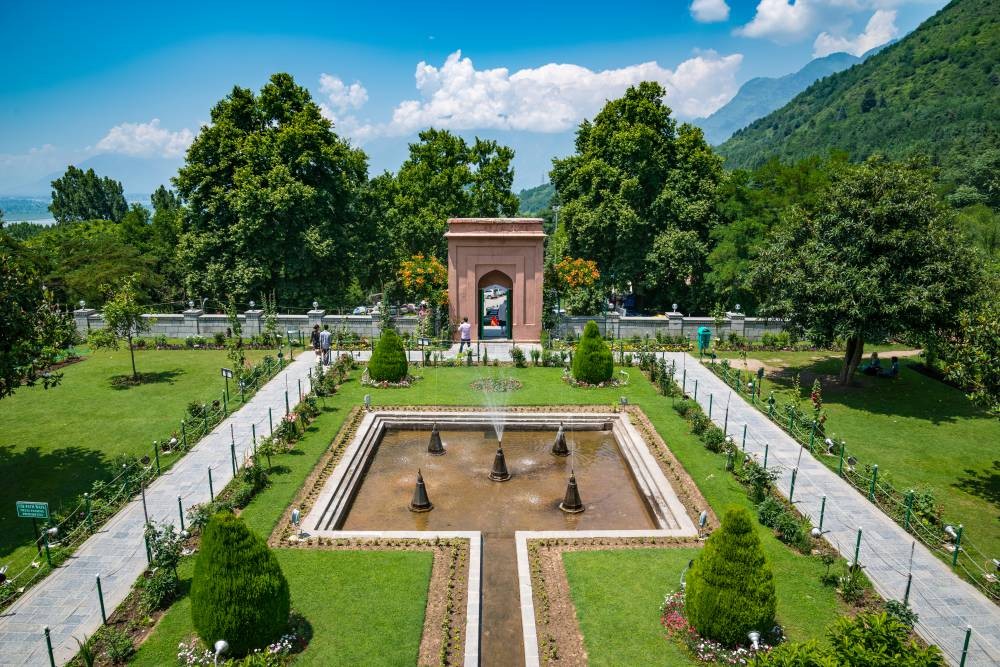

Introduction to Kashmiriyat
The beautiful valley of Kashmir, renowned for its breathtaking beauty, is equally celebrated for its rich cultural ethos, ‘Kashmiriyat’. This centuries-old tradition of communal harmony and religious syncretism is a powerful testament to unity and resilience. Emerging in the 16th century, Kashmiriyat embodies an unyielding commitment to harmony, patriotism, and pride in the homeland of Kashmir.
Vajpayee’s Vision of Kashmiriyat
 Atal Bihari Vajpayee, India’s former Prime Minister, powerfully articulated the essence of Kashmiriyat through his doctrine of “Insaniyat, Jamhuriyat, and Kashmiriyat” – Humanity, Democracy, and Kashmir’s unique cultural identity. His vision underscored the critical importance of upholding the spirit of humanism and cultural amity that defines Kashmiriyat. Vajpayee’s approach was deeply rooted in respecting and nurturing Kashmir’s rich cultural legacy, a testament to the region’s enduring ethos of harmony and coexistence.
In his words, “We are committed to insaniyat, jamhuriyat, and Kashmiriyat.”
The Essence of Kashmiriyat
Kashmiriyat embodies the spirit of humanism, where cultural and communitarian bonds transcend religious boundaries. This unique cultural identity is reflected in the shared festivals, language, cuisine, and clothing of the Kashmir Valley. Festivals of both Hinduism and Islam are celebrated collectively, symbolizing the deep tradition of communal harmony.
Sultan Zain-ul-Abidin, a 15th-century ruler of Kashmir, played a crucial role in fostering this harmonious coexistence. His policies of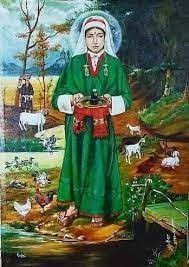 religious tolerance and cultural patronage laid the foundation for Kashmiriyat. The story of the 14th-century Sufi mystic Lal Ded, a revered poetess whose body is said to have been transformed into a mound of flowers and buried by both Hindus and Muslims, stands as a powerful symbol of this enduring tradition.
Historical Context and Resilience
Kashmir’s history is marked by significant ethnic, cultural, and religious diversity. The region has been a prominent centre for Hinduism and Buddhism, with Islam gaining prominence during medieval times and Sikhism adding to the cultural mosaic in the 18th and 19th centuries. The valley’s geographical isolation and harsh winters fostered a unique sense of solidarity and resilience among its inhabitants.
“In the darkness engulfing the subcontinent, the only ray of light came from Kashmir,” Mahatma Gandhi once said, highlighting Kashmir’s unique role in exemplifying unity and peace amid regional conflicts.
The philosophy of Kashmiriyat, influenced by Kashmir Shaivism, Buddhism, and Sufism, promotes the belief that all religions ultimately lead to the same divine goal.
Contemporary Challenges and the Path Forward
The late 20th century brought significant challenges to Kashmiriyat. The rise of insurgency in the 1980s and the subsequent exodus of the Kashmiri Pandit community in the early 1990s marked a tragic period in Kashmir’s history. This era of violence and political strife disrupted the harmonious coexistence that had long characterized the region.
Despite these challenges, the essence of Kashmiriyat endures. Cultural festivals, literature, and art exhibitions celebrating the region’s rich heritage are gaining prominence. Initiatives by civil society organizations and local communities aim to foster dialogue and reconciliation, emphasizing that the shared identity of Kashmiris transcends political and religious divisions.
Evidence of Kashmiriyat’s Resilience
Recent studies highlight the resilience of Kashmiriyat. A 2007 poll by the Centre for the Study of Developing Societies in New Delhi found that 87 percent of people in Srinagar desired the return of Kashmiri Pandits. Similarly, a 2001 MORI survey revealed that 92 percent of respondents in Jammu and Kashmir opposed the division of the state on religious or ethnic lines. These findings reflect the enduring desire for communal harmony among Kashmiris.
However, it is essential to acknowledge the complexities surrounding Kashmiriyat. Scholar Christopher Snedden has argued that the concept has been romanticized and that it could not entirely prevent rivalry between communities. This critique underscores the need for a nuanced understanding of Kashmiriyat, recognizing both its ideals and its challenges.
Reaffirming the Light of Kashmiriyat
In a world often divided by differences, Kashmiriyat stands as a beacon of unity and the resilience of the human spirit. It illustrates that true harmony is within reach when we transcend our differences and embrace our shared humanity. The values of Kashmiriyat—tolerance, inclusivity, and mutual respect—are intricately woven into the fabric of everyday life in Kashmir, shaping its communities and guiding its people.
Kashmiriyat is not merely a nostalgic memory of a harmonious past; it is a vibrant, living tradition with the potential to lead Kashmir into a peaceful and inclusive future. It teaches us that, despite the deep scars of conflict and division, the capacity for empathy and unity within the human spirit remains unbroken. This tradition is a powerful reminder that even in the darkest times, the light of unity and compassion can shine brightly, dispelling the shadows of discord.
Reflecting on the lessons of Kashmiriyat, we recognize the enduring strength and resilience of Kashmiris. It is a call to action for all who cherish peace and harmony, urging us to honor this rich cultural legacy. By nurturing these values, Kashmiris can not only preserve their heritage but also contribute to a broader vision of global peace and unity.