Kashmir’s Majestic Mughal Gardens: A Timeless Legacy
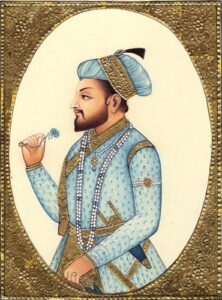 Kashmir, often hailed as “Paradise on Earth,” is a region rich in natural beauty and cultural heritage. Among its many treasures, the Mughal gardens stand out as marvels of architectural and horticultural brilliance. Drawing from the Persian char bagh (four gardens) concept, these gardens feature meticulous layouts, water channels, fountains, and a vibrant array of flora. The Mughal emperors, particularly Shah Jahan, elevated garden design to new heights, creating a legacy that continues to captivate visitors. Let’s explore six of the most iconic Mughal gardens in Kashmir that are a must-visit.
Nishat Bagh: The Garden of Bliss
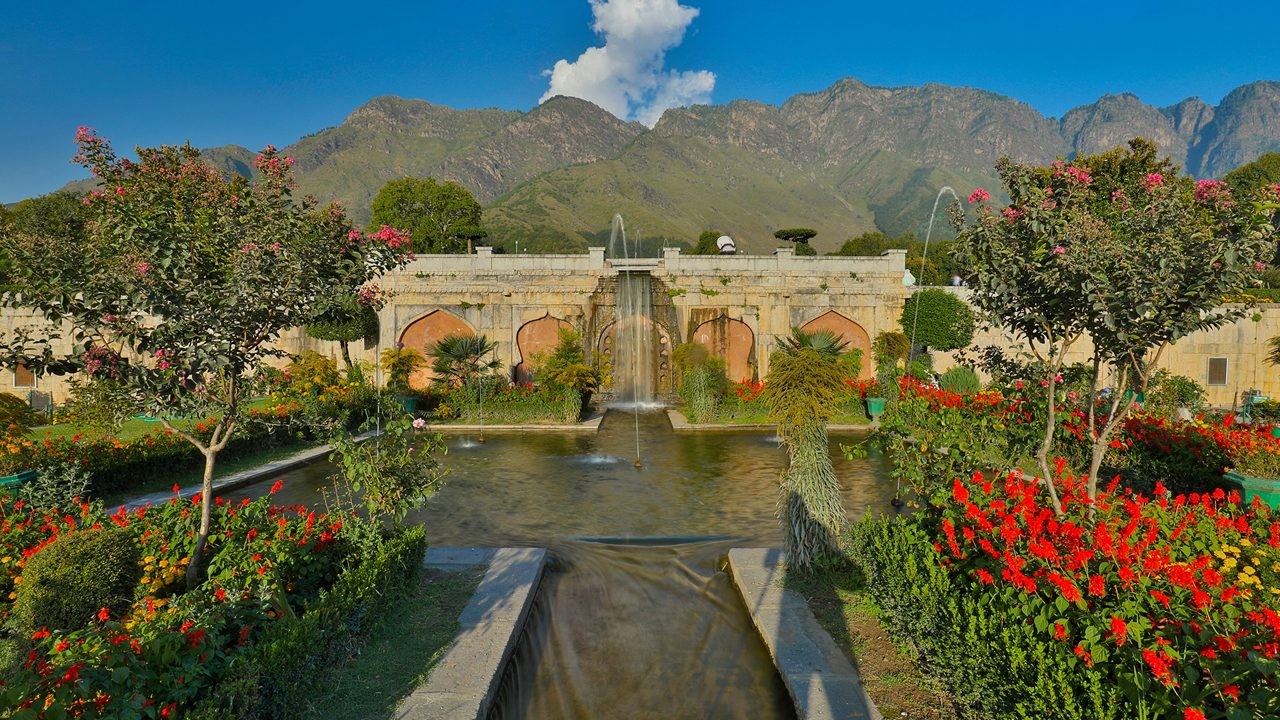
Location: Srinagar, Eastern Bank of Dal Lake
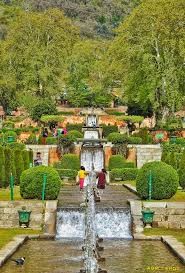 Imagine standing on the eastern bank of Dal Lake, with the Zabarwan Mountains rising majestically behind you. This is where you’ll find Nishat Bagh, the “Garden of Bliss.” Built by Asaf Khan, the brother of Empress Nur Jahan, Nishat Bagh is a symphony of nature and design.
As you stroll through the twelve terraces, each representing a zodiac sign, you’ll find yourself surrounded by towering Chinar trees, their leaves rustling softly in the breeze.
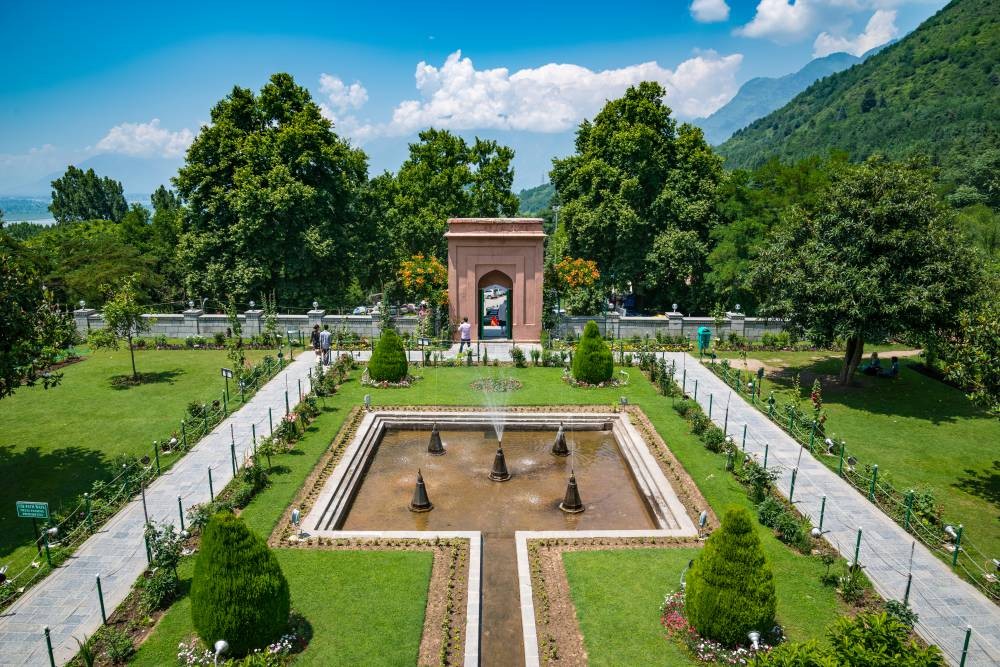
The garden’s lowest terrace gently kisses the edge of Dal Lake, creating a serene interplay of water and landscape. The flowerbeds, fountains, and meticulously maintained terraces offer a window into the grand vision of the Mughal era. Nishat Bagh, with its harmonious blend of architecture and natural beauty, was designed to impress and has stood the test of time as a symbol of Mughal elegance.
Shalimar Bagh: The Abode of Love
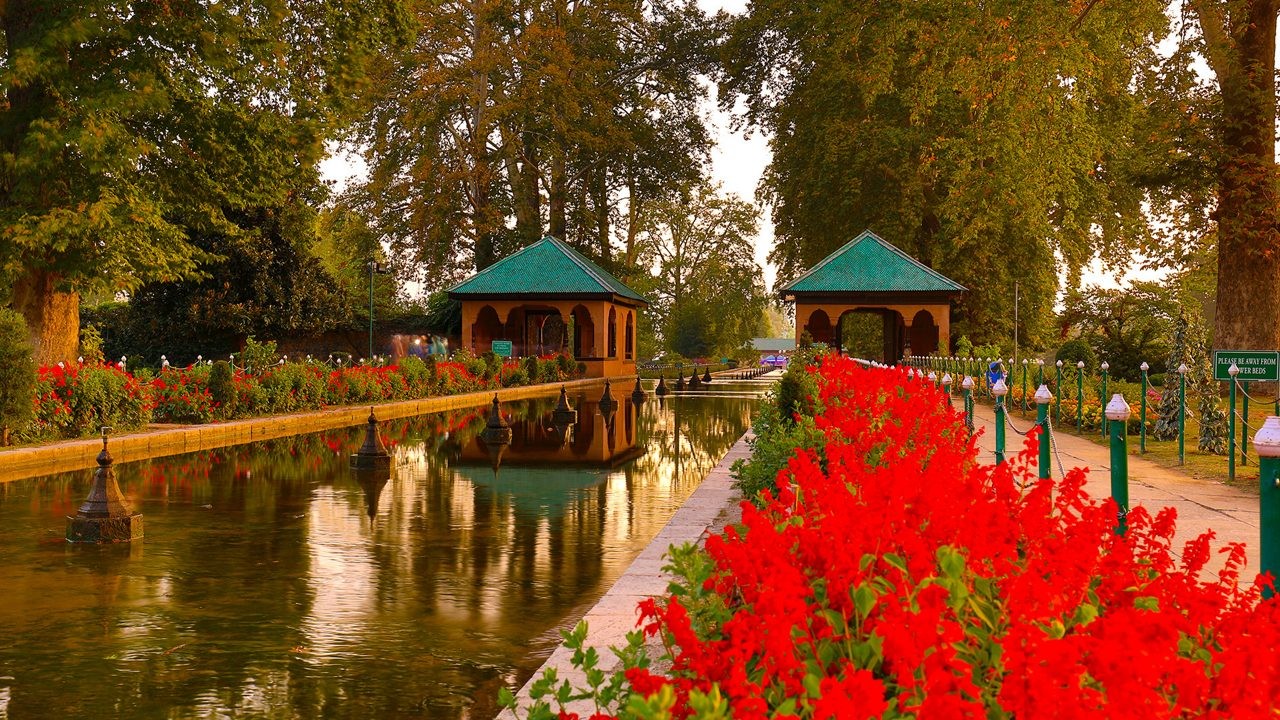
Location: Srinagar, Near Dal Lake
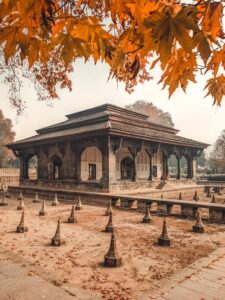 Step into the world of Shalimar Bagh, a garden that tells a tale of eternal love. Constructed by Emperor Jahangir for his beloved wife Nur Jahan, Shalimar Bagh is steeped in history and romance.
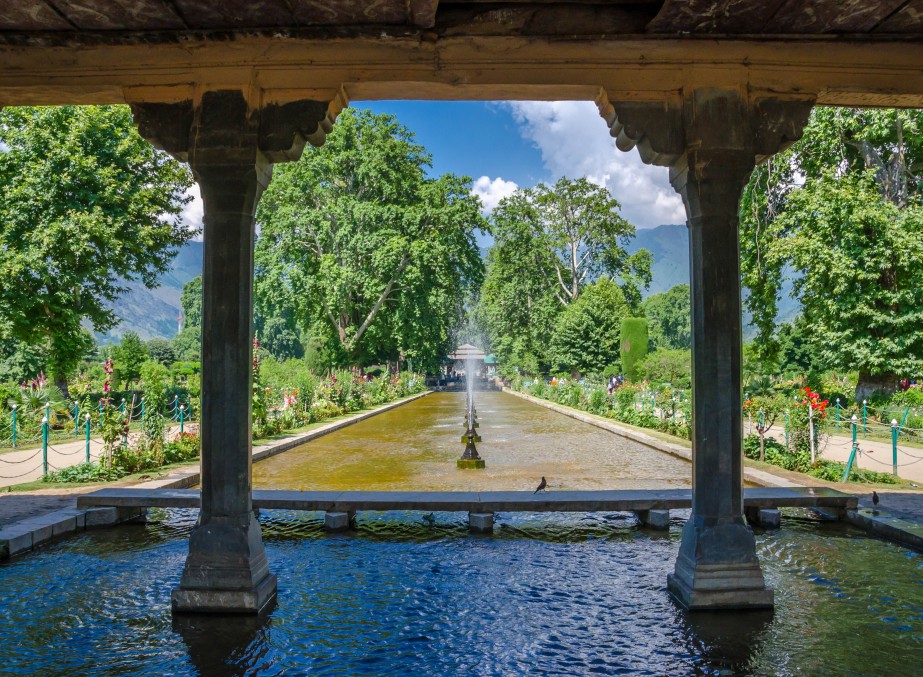
Picture yourself walking through two distinct sections—the public Diwan-i-Aam and the private Diwan-i-Khas. Each terrace is a visual delight, with exquisitely designed pavilions, reflective pools, and playful fountains. The Pink Pavilion (Diwan-i-Aam) and Black Pavilion (Diwan-i-Khas) stand as elegant sentinels, harmonizing beautifully with the lush greenery and vibrant blooms around them. Shalimar Bagh served as a royal retreat and a place for the emperor to entertain guests, making it not just a garden but a living piece of history.
Chashme Shahi: The Royal Spring
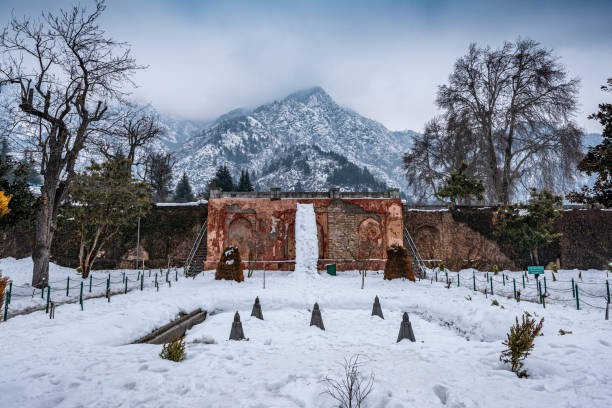
Location: Srinagar, Slopes of the Zabarwan Mountains
Perched on the slopes of the Zabarwan Mountains, Chashme Shahi, or “The Royal Spring,” is a garden built by Ali Mardan Khan under Shah Jahan’s orders. This garden is famous for its natural spring water, believed to have healing properties.
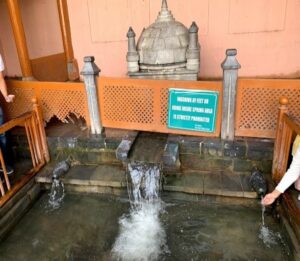 Imagine three ascending terraces, each level bringing you closer to the soothing sounds of cascading water. The spring’s crystal-clear waters flow through the terraces, creating enchanting pools and fountains along the way. Chashme Shahi’s design, with its Persian influence, is a perfect blend of beauty and tranquility. Historically, this garden served as a serene spot for the royal family to relax and rejuvenate, showcasing the Mughal’s appreciation for the therapeutic qualities of nature.
Pari Mahal: The Fairies’ Abode
Location: Srinagar, Zabarwan Mountains
High above Srinagar, on the Zabarwan Mountains, lies Pari Mahal, the “Fairies’ Abode.” This garden, built by Dara Shikoh, Shah Jahan’s eldest son, is both enchanting and serene.
Visualize a series of seven terraces without the typical Mughal water fountains, yet filled with domes and arches that create a fairy-tale atmosphere. The name Pari Mahal evokes images of an otherworldly place, and as you wander through its terraces, you’ll feel like you’ve stepped into a different realm. Built on the ruins of a Buddhist monastery, Pari Mahal also reflects the cultural amalgamation that characterized Mughal architecture, blending spiritual tranquility with aesthetic beauty.
Achabal Bagh: A Royal Delight
Location: Anantnag, Near Anantnag
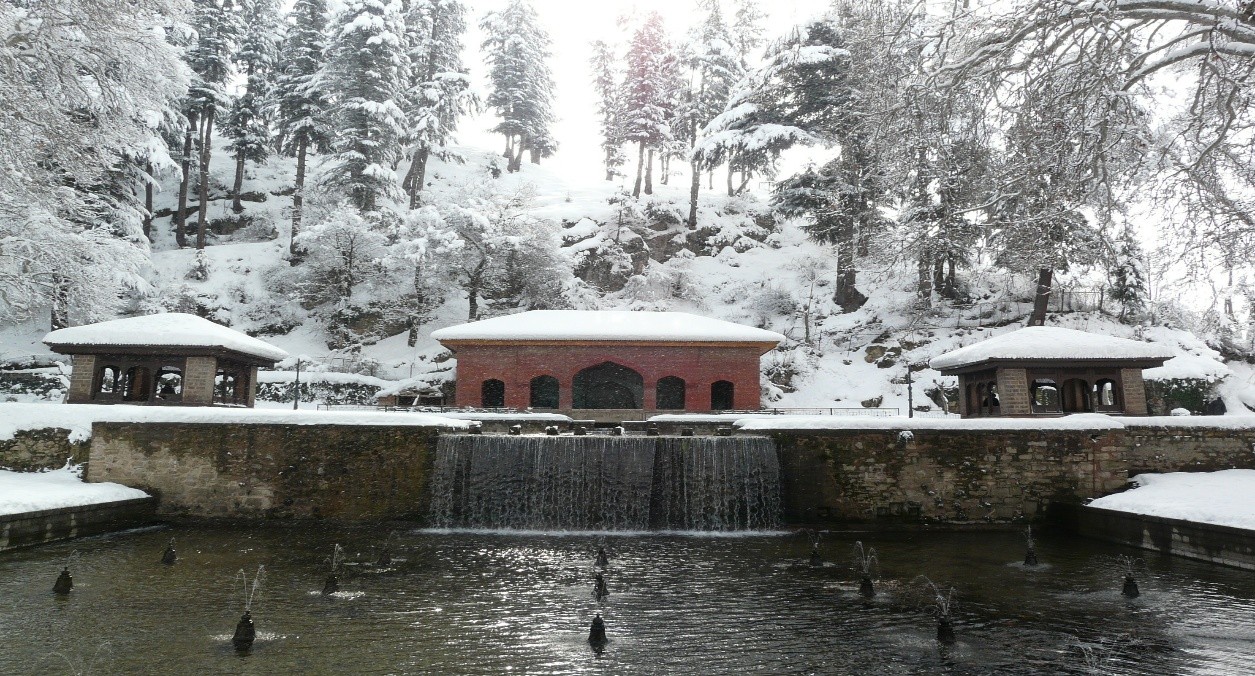
Nestled near Anantnag, Achabal Bagh is a hidden gem laid out by Empress Nur Jahan. This garden is a haven for nature lovers and admirers of Mughal architecture.
Picture yourself surrounded by lush Chinar trees, their branches forming a canopy above the garden. The natural spring at the heart of Achabal Bagh feeds a network of canals and pavilions, bringing life and movement to the four terraces. Achabal Bagh’s secluded location and continued use of its original water source give it a timeless charm. Historically, it was a favorite retreat of the Mughal empress, offering a peaceful escape from the court’s hustle and bustle.
Verinag: The Source of Jhelum
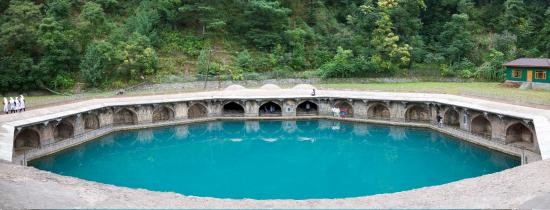
Location: Anantnag, Foothills of the Banihal Mountain Ranges
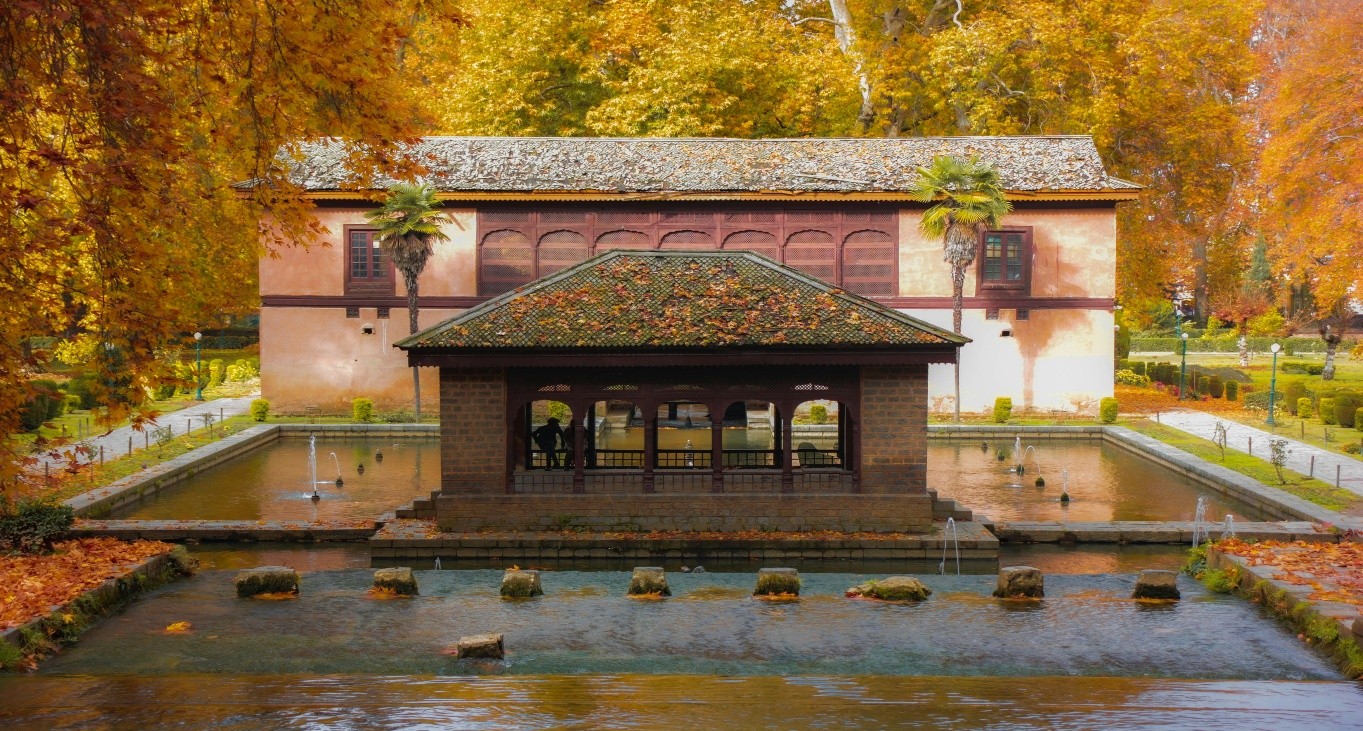
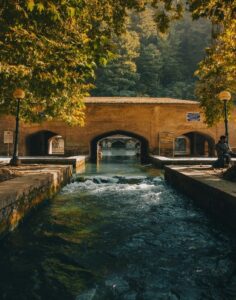 At the foothills of the Banihal mountain ranges lies Verinag, a garden built around the spring that is the source of the Jhelum River. Constructed by Mirza Haider under Emperor Jahangir’s orders, Verinag is a blend of natural beauty and architectural precision.
Imagine walking through a garden with an octagonal pool at its center, surrounded by perfectly symmetrical pathways. The dense deodar forests form a stunning backdrop, enhancing Verinag’s serene ambiance. This garden was a personal favorite of Emperor Jahangir, and it’s easy to see why as you immerse yourself in its tranquil beauty. Verinag not only served as a source of water but also as a cherished recreational spot for the Mughal royalty.
UNESCO Tentative List
The Mughal Gardens in Kashmir are on UNESCO’s Tentative List and could soon be recognized as World Heritage Sites. Nishat Bagh, Shalimar Bagh, Chashme Shahi, Pari Mahal, Achabal Bagh, and Verinag—these iconic gardens are far more than picturesque landscapes; they are living legacies of Mughal artistry and engineering. Each garden reflects the emperors’ profound love for nature, art, and architecture, enchanting visitors with their historical significance and breathtaking beauty. Visiting these gardens is like taking a journey through time, where the splendor of nature and the elegance of Mughal design merge in perfect harmony. Open to the public, these gardens are not just a feast for the eyes but also a journey into the rich history and culture of the Mughal era. They are a must-visit for anyone traveling to Kashmir, offering an immersive experience in the timeless grandeur of Kashmir’s Mughal heritage.