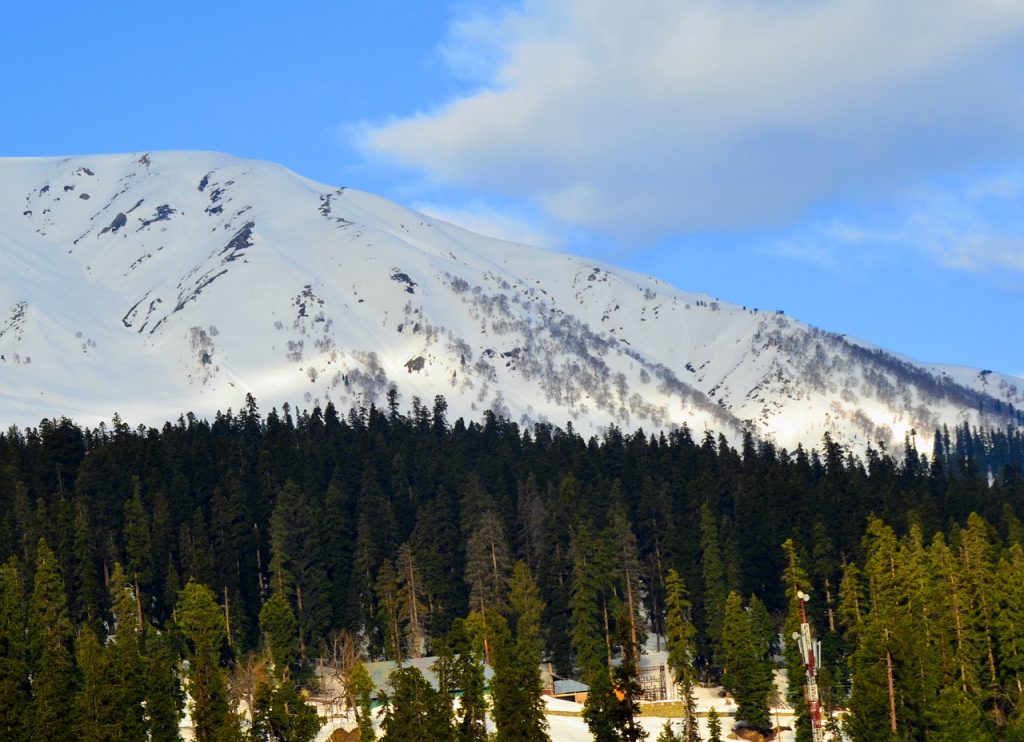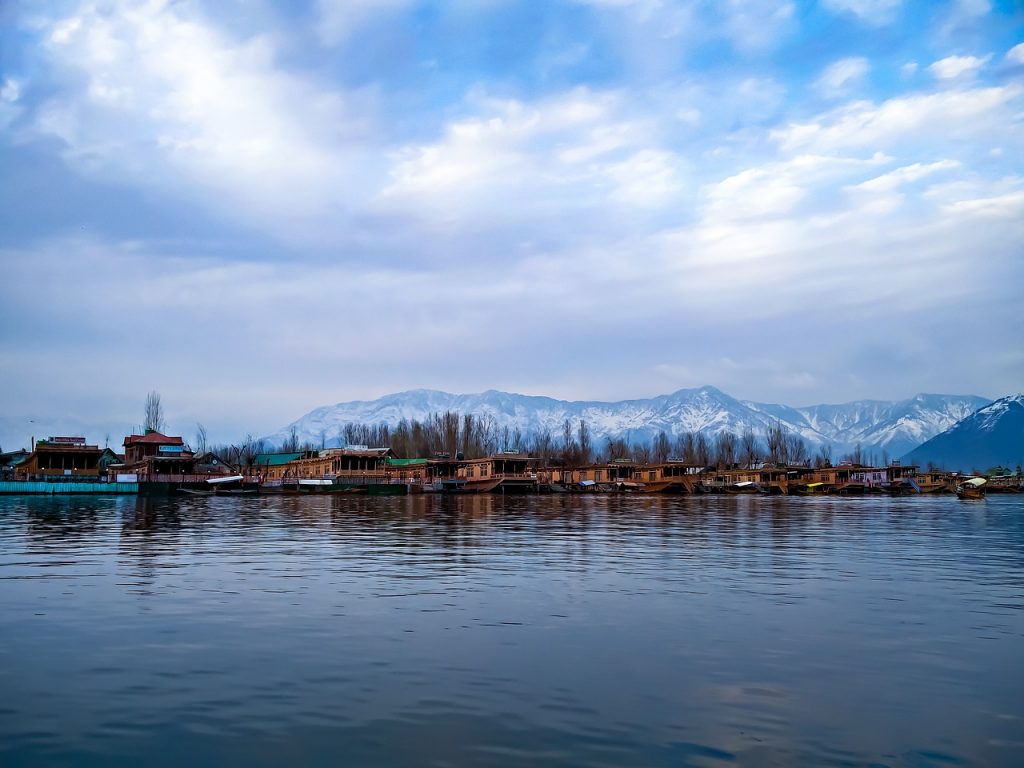
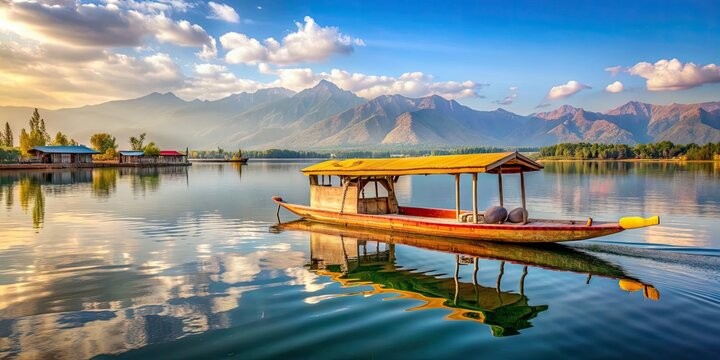
Kashmir, cradled in the arms of the mighty Himalayas, is a land where nature’s poetry comes alive. Amidst this breathtaking scenery, one finds the Shikara—a graceful wooden boat that dances on the tranquil waters of Dal and Nigeen Lakes, whispering stories of a time when life moved at a gentler pace. To board a Shikara is to step into a world where the past and present merge, where the air is filled with the scent of lotus flowers, and where every ripple on the water tells a tale of a land steeped in history and culture.
The Origins of the Shikara: From Ancient Myths to Mughal Gardens
The Shikara’s story begins in the mists of ancient mythology, in a time when Kashmir was said to be a vast lake, cradled by the mountains. According to legend, the sage Kashyapa drained this primordial lake to reveal the fertile valley that would become Kashmir. It is in this mythic landscape that the Shikara first took shape—a simple boat, carved from the robust wood of deodar trees, used by the valley’s earliest inhabitants to navigate the lakes and rivers that defined their world.
As centuries passed, the Shikara evolved, mirroring the cultural and political changes that swept through the valley. The Mughal emperors, captivated by the ethereal beauty of Kashmir, played a pivotal role in transforming the Shikara from a humble vessel into a symbol of luxury and refinement. Under their patronage, the Shikara became an object of art, with its design reflecting the opulence of the Mughal courts. No longer just a tool for fishermen and traders, the Shikara became a floating haven for those seeking solace amidst the lotus-strewn waters of Dal Lake.
The British colonial era added another layer to the Shikara’s story. Forbidden from owning land in Kashmir, British officers and settlers lived on houseboats, accompanied by Shikaras that bore the names of English towns and streets. These boats became the silent witnesses to the mingling of East and West, carrying the legacy of both cultures as they glided over the waters of Kashmir.
Crafting a Shikara: A Symphony of Wood, Water, and Skill
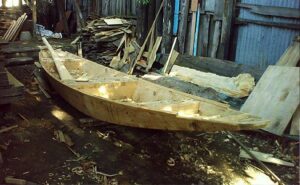 Building a Shikara is an art form, a delicate dance between the hands of the craftsman and the wood that will soon become a vessel of beauty. The process begins with the selection of deodar wood, chosen for its strength and natural resistance to water. The unprocessed logs are transformed into long planks, which are then carefully shaped to form the boat’s structure. The Shikara’s iconic pointed bow, its heart-shaped base, and its elegant stern are all born from this careful shaping, each piece fitting together like the notes of a well-composed melody.
The construction of a Shikara is as much about durability as it is about aesthetics. The nails and iron clamps used in its assembly are heated until they glow red, then driven into the wood at precise angles to create a bond that is both strong and subtle. The joints are sealed with a special paste made from poplar seeds and local weeds, ensuring that the boat remains watertight even as it glides through the calm waters of Dal and Nigeen Lakes.
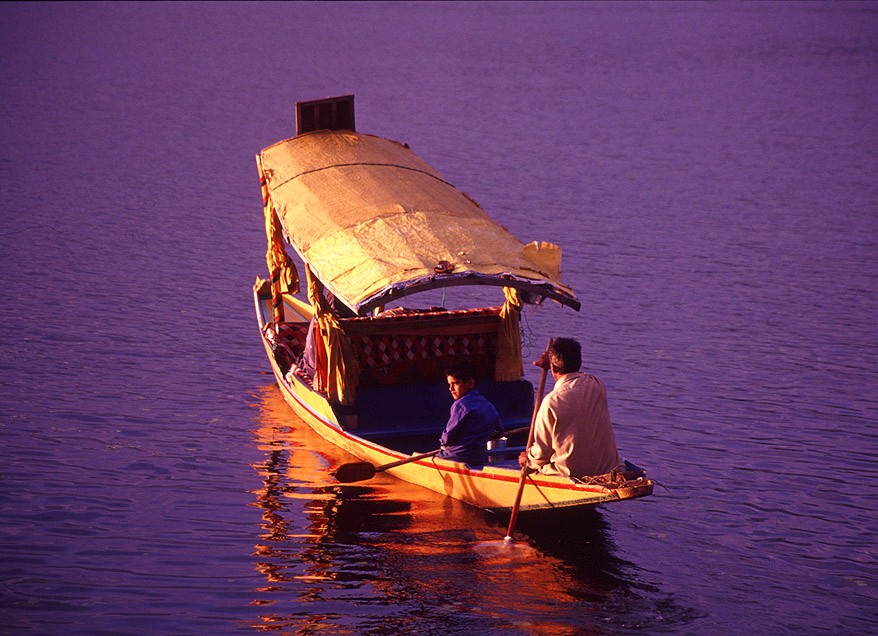
But the true magic of the Shikara lies in its finishing touches. The central seating area is adorned with plush cushions, inviting passengers to recline and lose themselves in the serenity of their surroundings. A canopy, supported by slender pillars, provides shade from the sun, while the boat’s exterior is painted in vivid hues—each color a reflection of the vibrant spirit of Kashmir. The Shikara is not just a boat; it is a floating work of art, a vessel that captures the soul of the valley and the hearts of those who set foot upon it.
The Shikara Experience: Floating Through Kashmir’s Living Poetry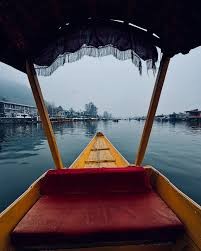
To experience a Shikara ride is to be enveloped in the serene beauty of Kashmir, where every moment on the water feels like a verse from a forgotten poem. As you settle into the boat, the world seems to slow down, the clamor of everyday life giving way to the soft rhythm of the oars dipping into the lake. The Shikara glides through the water like a swan on a still pond, its movement so smooth and effortless that it feels as though time itself has paused to let you savor the moment.
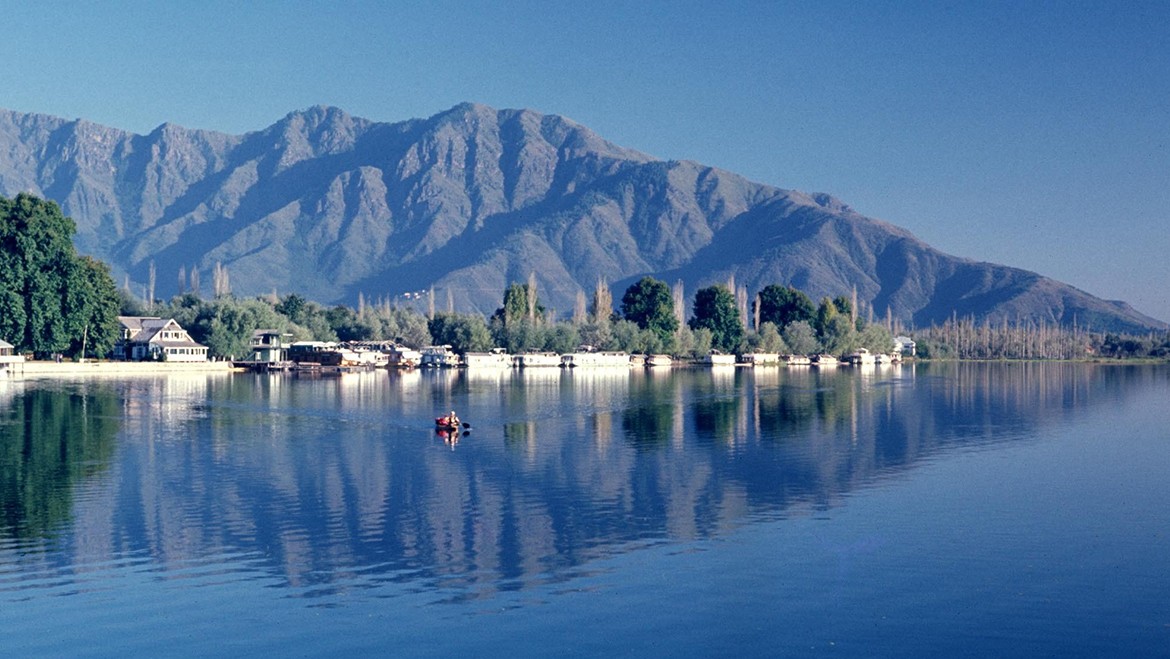
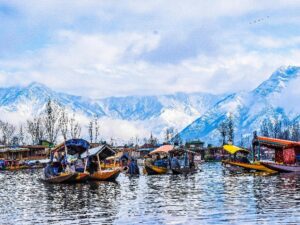 Dal Lake, often called the “Jewel in the Crown of Kashmir,” offers a panorama of beauty that is both humbling and awe-inspiring. As the Shikara drifts past houseboats adorned with intricate carvings, you are transported back to an era when Mughal emperors sought refuge in the valley, finding peace amidst the lotus flowers and snow-capped peaks. The boatman, clad in a traditional Pheran, guides the Shikara through narrow canals, where the scent of fresh lotus blooms mingles with the crisp mountain air.
A highlight of the Shikara experience is the visit to the floating markets, where vendors paddle up to your boat, offering a colorful array of fruits, flowers, and handcrafted treasures. Here, commerce flows as gently as the water, and every transaction is accompanied by a smile and a story. The market is a microcosm of Kashmiri life, a place where tradition and modernity coexist in perfect harmony.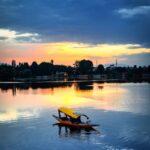
As the day draws to a close, the Shikara becomes a front-row seat to one of nature’s most breathtaking spectacles—the sunset over Dal Lake. The sky is painted in shades of gold and crimson, and the mountains are bathed in a soft, ethereal light. The reflections on the water create a mirror image of the heavens, as if the lake itself is holding up a second sky for you to marvel at. It is a moment of pure magic, a reminder of the beauty that lies at the heart of Kashmir.
The Perfect Time and Place for a Shikara Ride
While a Shikara ride can be enchanting at any time of year, the summer months offer a particular kind of magic. The weather is warm, the air is filled with the scent of blooming flowers, and the lake is surrounded by lush greenery. The best time of day for a ride is either in the early morning, when the world is just waking up and the lake is still, or in the evening, when the setting sun casts a golden glow over the landscape. An evening ride, with the lights of the houseboats twinkling in the distance, feels like stepping into a fairy tale—a world where reality and dreams blur into one.
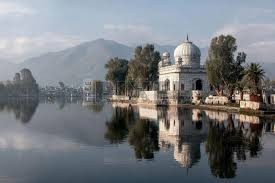 Dal Lake, with its rich history and cultural significance, is the quintessential location for a
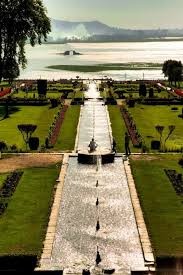 Shikara ride. Here, you can explore the Mughal gardens of Nishat and Shalimar, visit the sacred Hazratbal Mosque, or simply lose yourself in the tranquility of the lake. For those seeking a more secluded experience, Nigeen Lake offers a quieter, more intimate setting, where the Shikara ride takes on a meditative quality, allowing you to connect with the natural beauty of Kashmir in a deeply personal way.
The Shikara: A Timeless Symbol of Kashmiri Heritage
In a world that is constantly changing, the Shikara remains a steadfast symbol of Kashmir’s enduring cultural heritage. These boats are more than just vessels; they are guardians of a tradition that has been passed down through generations, a tradition that continues to thrive despite the challenges of the modern world. The Shikara represents the resilience of the Kashmiri people, their deep connection to the land and water, and their ability to find beauty and grace even in the simplest things.
Whether you are a visitor looking to experience the magic of Kashmir for the first time or a local who has grown up with the Shikara as a part of everyday life, these boats offer a unique window into the soul of the valley. They are a reminder that even in a world of constant change, there are some things that remain timeless—like the gentle glide of a Shikara on the waters of Dal Lake, carrying with it the whispers of history, the colors of tradition, and the promise of serenity.
As the Shikara gently rocks on the water, it tells the story of Kashmir—a story of beauty, resilience, and a deep, abiding connection to the natural world. It is a story that unfolds with every stroke of the oar, every ripple on the lake, and every breath of the mountain air. It is a story that invites you to pause, to listen, and to be a part of the timeless dance between man, nature, and the quiet grace of the Shikara.
Frequently Asked Questions (FAQs)
1. What is a Shikara?
A Shikara is a traditional wooden boat used on the lakes of Kashmir, especially Dal Lake and Nigeen Lake. It is used for transportation, tourism, fishing, and even floating markets.
2. Where can you ride a Shikara in Kashmir?
Shikara rides are mainly available on Dal Lake in Srinagar and Nigeen Lake, both known for their scenic beauty and houseboats.
3. How long does a Shikara ride usually last?
A typical Shikara ride lasts 30 minutes to 1 hour, but longer rides are available for exploring floating markets, Mughal gardens, and houseboat areas.
4. What is the best time to take a Shikara ride?
The best time is early morning or during sunset, when the lake is calm and the surrounding mountains reflect beautifully on the water.
5. How much does a Shikara ride cost?
Prices generally range from ₹400 to ₹1000 per hour, depending on the route, duration, and season.
6. Are Shikaras safe for tourists?
Yes, Shikaras are very stable and safe. They are rowed by experienced boatmen who have often inherited the craft through generations.
7. What can you see during a Shikara ride?
During a ride you can experience:
-
Floating markets
-
Lotus gardens
-
Traditional houseboats
-
Mughal gardens like Nishat Bagh and Shalimar Bagh
-
Stunning views of the Himalayan mountains
8. What makes Shikaras unique?
Shikaras are known for their beautiful wooden craftsmanship, colorful canopies, cushioned seating, and cultural significance, making them a symbol of Kashmiri heritage.
9. Can you visit floating markets by Shikara?
Yes. Many Shikara rides include visits to floating markets where vendors sell flowers, fruits, handicrafts, and souvenirs directly from their boats.
10. Are Shikaras used only for tourism?
No. Apart from tourism, locals use Shikaras for daily transportation, fishing, selling goods, and commuting across the lakes.