The Captivating Lakes Of Kashmir
The lakes of Kashmir are not just bodies of water – they are living, breathing entities that have captured the hearts and imaginations of travellers and locals alike. From the serene and picturesque Dal Lake to the expansive and ecologically significant Wular Lake, and the tranquil and crystal-clear Manasbal Lake, each of these natural wonders offers a unique and captivating experience.
The Dal Lake
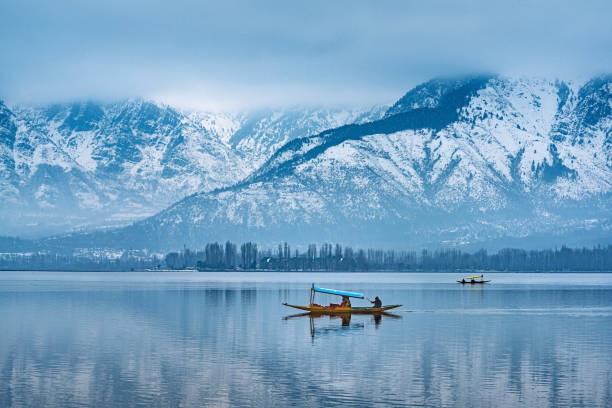
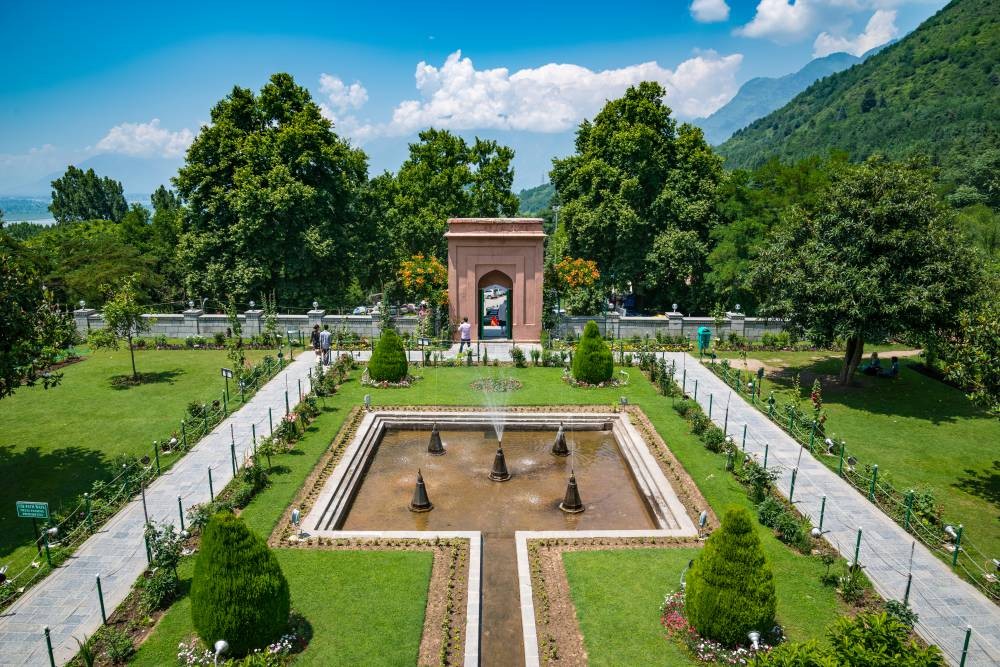
The Dal Lake, often referred to as the “Queen of Kashmir’s Waters,” spans over 15 square kilometres. Dal Lake situated in Srinagar is a misnomer as “Dal” in Kashmiri means lake. The origin of the Dal Lake is a subject of debate, with two prevailing theories. One suggests that it is a post-glacial lake that has undergone significant changes in size over the years, while the other posits that it was formed due to flood spillage from the Jhelum River. The Dal Lake is divided into four basins: Gagribal, Lokut Dal, Bod Dal, and Nagin (although Nagin is also considered an independent lake). The lake is lined by gardens built during the Mughal era, and the best views can be seen from the Shalimar Garden and Nishat Garden, which were constructed during the reign of Emperor Jehangir. One of the lesser-known wonders of 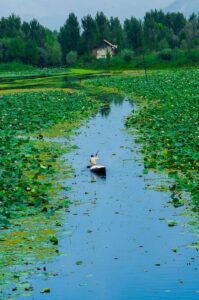 the Dal Lake is the presence of floating gardens, known as “Raad” in the local language. These unique gardens are created by weaving together layers of floating vegetation and soil, resulting in lush green patches that seem to float atop the water. Mir Bahri, originally in charge of ships and boats during the Mughal era, later became cultivators of Dal Lake. They are Shia Muslims and supply about 25% of the vegetables consumed in Srinagar. The Dal Lake has a rich cultural and historical significance, being mentioned as “Mahasarit” in ancient Sanskrit texts. According to historical accounts, the present-day Dal Lake was once a plain desert known as “Vitalini Marg,” and King Pravarsen is credited with closing the river Behat (now the river Jhelum) from Nowpora side and bringing the river into the city by way of the foot of Kohimaran (also known as Hari Parbat Hillock).
Timings – 6am to 6pm
Best Time To Visit – May to November
Wular Lake
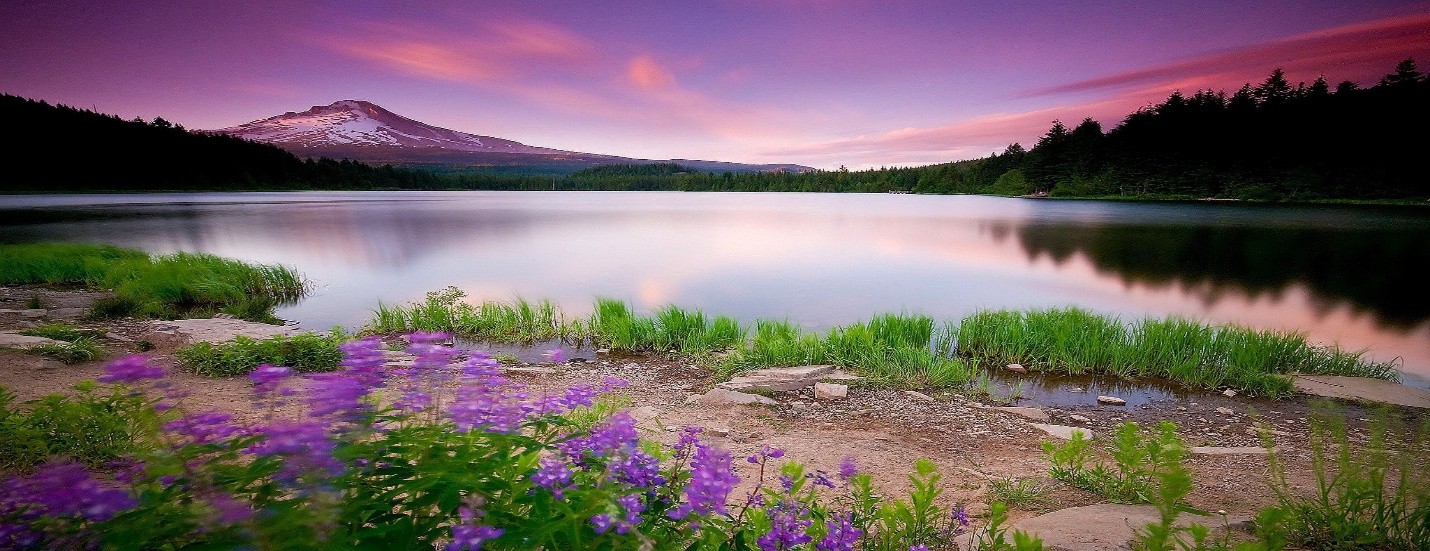
Wular Lake is the largest freshwater lake in the state, covering an expansive area of over 200 square kilometres extending nearly 24 kilometres in length and 10 kilometres in breadth. It is the second-largest freshwater lake in Asia, situated on the foothills of the Haramuk Mountain. This vast water body is fed by the Jhelum River, which flows through Srinagar, continues to Wular Lake, Sopore and then flows into POK from Baramulla. This lake is a crucial habitat for fish, accounting for approximately 60 per cent of the fish yield in the Kashmir Valley. The Wular Lake plays a crucial role in the water ecology of the Kashmir Valley, acting as a natural sponge in the valley that helps regulate the flow of floodwaters. It is believed that the lake basin was formed as a result of tectonic activity and is home to a diverse array 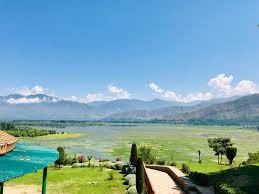 of aquatic species. Interestingly, the Wular Lake is believed to be a remnant of the ancient Satisar Lake. The lake was once known for its high waves, which led to its name “Ullola,” meaning “rising waves” in Sanskrit. The deepest part of the lake, known as Mota Khon, has been referred to as the ‘Gulf of corpses,’ as the bodies of people who drowned in the lake were believed to be washed up in this area. The lake, features a small island called the ‘Zaina Lank,’ which was constructed by King Zainul-Abi-Din.
Timings – 24 hours
Best Time To Visit – June to August
Manasbal Lake
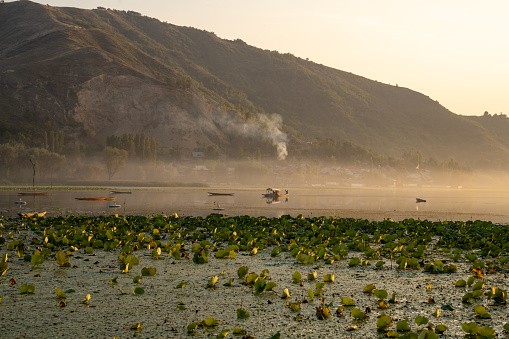
Nestled in the heart of the Ganderbal district, Manasbal Lake is a breathtaking natural wonder, renowned as the deepest lake in Kashmir. 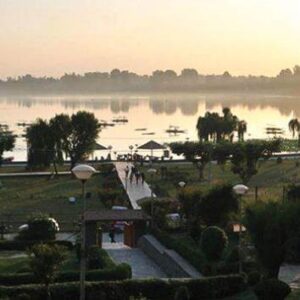 Surrounded by the majestic Himalayas, this pristine water body offers a serene and awe-inspiring landscape. Manasbal Lake, is believed to have been created by the Hindu deity Lord Brahma, making it a site of great cultural and religious significance. The lake is known for its maximum depth of over 40 meters, making it the deepest in the region. The large growth of lotus (Nelumbo nucifera) around the lake’s periphery adds to its natural beauty, particularly during the blooming season of July and August. The Mughal garden, known as the Jaroka, overlooks the lake, further enhancing its historical and architectural charm. Manasbal Lake is also a popular destination for bird-watching, as it is one of the largest natural stamping grounds for aquatic birds in Kashmir. The lake’s unique characteristics, such as its warm monomictic nature and stable summer stratification, make it a subject of scientific interest.
Timings – 24 hours
Best Time To Visit – July to August