Kashmiriyat is more than a mere concept; it is the very soul of Jammu and Kashmir, embodying an ethos of solidarity, resilience, and patriotism that transcends religious divides. For centuries, this spirit of harmony and a collective determination to preserve a shared heritage have been the bedrock of Kashmir’s identity. To many Kashmiris, Kashmiriyat signifies a profound bond of religious and social unity, a timeless brotherhood that endures through turmoil and conflict.
Historical Roots of Pluralism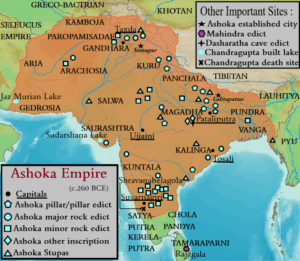
The history of religious pluralism in Kashmir is deeply rooted in its ancient past. According to ancient texts, Kashmir was once a lake called Satisar, where a demon named Jalodbhava terrorized the region until the Hindu trinity and Goddess Sharika intervened. Buddhism gained prominence in Kashmir after Ashoka’s conquest in 250 B.C., flourishing under various rulers and establishing colonies in Central Asia. From the fifth to twelfth centuries, Kashmir was characterized by Hindu civilization and Shaivaite culture, reaching its zenith in art, literature, and philosophy.
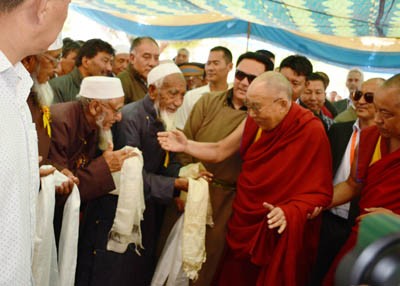
Nestled in the majestic Himalayas, the region of Jammu and Kashmir is renowned for its breathtaking landscapes and rich cultural landscape. Here, the ancient and the modern converge, creating a fascinating mosaic where Hindu, Sikh, Muslim, and Buddhist communities coexist in harmony. This coexistence is the living embodiment of Kashmiriyat, demonstrating how diverse faiths can blend seamlessly to form a vibrant and cohesive society.
Hinduism and the Kashmiri Pandits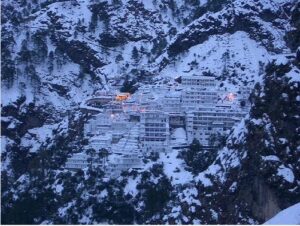
Hinduism has deep roots in Jammu and Kashmir, with temples and shrines dotting the landscape. The Vaishno Devi Temple in Jammu and the Amarnath Cave Temple in southern Kashmir draw millions of pilgrims each year. During the Amarnath Yatra, Muslims often assist Hindu pilgrims, exemplifying Kashmiriyat in action—a testament to mutual respect and cooperation.
The Kashmiri Pandits, a community of Brahmins, have been pivotal in shaping the cultural and intellectual history of Kashmir. Known for their contributions to literature, philosophy, and administration, the Pandits have remained an integral part of Kashmir’s cultural fabric despite facing significant challenges and displacement in recent decades.
Islam and Sufism
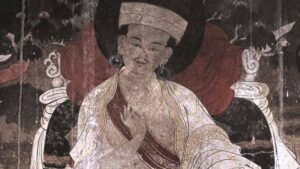
Islam’s introduction to Kashmir was a gradual and peaceful process, distinctly different from its arrival in other parts of the Indian subcontinent. The region’s socio-economic and political conditions were ripe for a new spiritual and social order. Renchen Shah, a Buddhist prince from Ladakh, played an initial role in establishing Islam, but the true spread was significantly influenced by Persian Sufi saints like Mir Sayyid Ali Hamadani. His followers taught Kashmiris various crafts, enhancing socio-economic standards and making Islam the religion of the masses.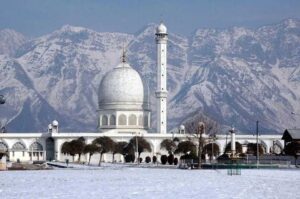
Islamic culture and traditions have profoundly shaped Jammu and Kashmir. The Hazratbal Shrine in Srinagar, which houses a relic believed to be a hair of the Prophet Muhammad, and the Jama Masjid in Srinagar are central to the region’s spiritual life. Sufism, with its emphasis on mysticism and personal connection with the divine, has a strong presence in Kashmir. Sufi shrines, such as the Shrine of Makhdoom Sahib and the Khanqah-e-Moula, serve as centers of worship and community gathering, reflecting the Sufi belief in the unifying power of spirituality.
Interactions between Muslims and Hindus were commonplace, with intermarriages and shared religious practices. Lal Ded, a Hindu mystic saint, and her disciple, Sheikh Nur-ud-din, exemplify the syncretism between Shaivite philosophy and Sufism. Their teachings of equality and tolerance resonate deeply, revered by both Hindus and Muslims. This tradition of syncretism fostered a unique form of inclusivity known as ‘Kashmiriness,’ later renamed ‘Kashmiriyat.’
The Shia Muslims
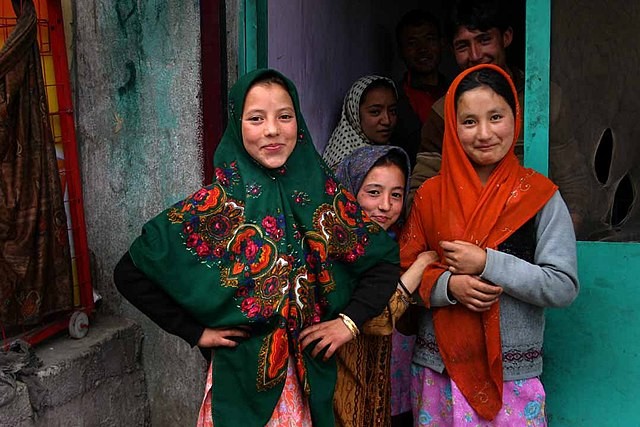
The Shia Muslims of Kashmir, encompassing communities in Kargil, Drass, and the Kashmir Valley, contribute significantly to the region’s religious and cultural diversity. The Shia community in the region has a unique history, with two groups of Shias migrating to Kashmir from present-day Iran and Iraq in the fifteenth and sixteenth centuries, escaping persecution and arriving as missionaries. These groups, along with local conversions, increased the Shia population in the region.
Predominantly inhabited by Shia Muslims, Kargil is known for its unique cultural practices deeply intertwined with their religious beliefs. Ninety percent of the Muslim population in Kargil, numbering about 125,000, is Shia. The Shia community observes significant events like Muharram with great fervor, marked by mourning and remembrance of Imam Hussain’s martyrdom. The Nauroz festival, marking the Persian New Year, is also celebrated enthusiastically. The community is primarily involved in agriculture and pastoralism, growing crops like barley, wheat, and vegetables, and maintaining apricot orchards. Education is highly valued, with significant improvements in educational facilities over the years.
Drass, known as the second coldest inhabited place in the world, also has a significant Shia Muslim population. The community observes religious events and festivals with deep devotion, despite the harsh climatic conditions. The economy is largely based on agriculture and livestock rearing, with resilient agricultural practices adapted to the challenging environment.
Sikhism
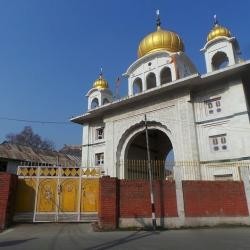
Sikhism has a notable presence in Jammu and Kashmir. The Gurudwara Chatti Patshahi in Srinagar, commemorating the visit of Guru Hargobind Sahib, the sixth Sikh Guru, stands as an important Sikh shrine. The Sikh community, though smaller in number, enriches the region’s cultural diversity and communal harmony, embodying the spirit of Kashmiriyat. Historically engaged in trade and agriculture, Sikhs actively participate in local festivals and social services, reinforcing their integral role in the socio-cultural fabric of Kashmir.
Buddhism

Ladakh, often referred to as “Little Tibet,” is predominantly Buddhist and is renowned for its monasteries such as Hemis, Thiksey, and Diskit. These monasteries are not just religious centers but also repositories of ancient Buddhist art and culture. The annual Hemis Festival, with its colorful mask dances and traditional music, is a vibrant celebration of local culture and spirituality. Buddhism in Ladakh emphasizes peace, compassion, and community living, contributing significantly to the region’s overall ethos of harmony. The teachings of the Buddha, focusing on the Middle Way and mindfulness, are deeply interwoven with local customs, creating a unique blend of spirituality and daily life.
The Traditions of Religious Pluralism
Religious pluralism has deep roots in the Kashmir Valley’s history. Despite the introduction of various cultures and religions by different dynasties over the centuries, the coexistence between communities in Kashmir has generally remained harmonious. Even during India’s Partition and subsequent periods of religious nationalism, Kashmiri syncretism continued to thrive and still strives to brave all the adversities. Amidst all the turmoil, in the contemporary era, the people of Jammu and Kashmir continue to uphold these traditions of religious pluralism. This is not to say that communal peace and equality have incessantly thrived in the region, but coexistence between communities in Kashmir has generally remained synchronized in harmony despite the various cultures and religions implanted by different dynasties over centuries. The region’s vibrant cultural heritage, marked by its inclusive and harmonious practices, offers a ray of hope for a future where diversity is celebrated, and unity is cherished.
A Legacy of Unity
Throughout its history, Kashmir has blended various religious traditions into a cohesive cultural fabric. Festivals such as Navratri, Eid, and the Hemis Festival bring people together in celebration, regardless of their faith. The practice of different communities supporting each other during these festivals exemplifies the spirit of unity and mutual respect that defines Kashmiriyat.
Jammu and Kashmir, with their awe-inspiring and rich cultural heritage, offers a unique blend of tradition and modernity. The harmonious coexistence of diverse religious communities contributes to the region’s distinctive identity. The cultural medley of Jammu and Kashmir stands as a testament to the region’s enduring legacy and its spirit of unity in diversity, all encapsulated in the timeless ethos of Kashmiriyat.