The Mystique of Kashmiri Handicrafts
Nestled in the northern reaches of India, the state of Jammu and Kashmir is often celebrated for its stunning landscapes that seem to be painted by the hands of divine artists. Yet, beyond the serene lakes and snow-capped mountains lies another treasure—its exquisite handicrafts. These creations are not merely artefacts; they are the living, breathing soul of Kashmir, embodying the region’s rich cultural heritage and the remarkable skills of its artisans. From the luxurious Pashmina shawls to the intricate resume Kaleen carpets and the vibrant papier-mâché, each craft tells a story of tradition, beauty, and unparalleled craftsmanship.
Pashmina Shawls: A Touch of Heaven
 Imagine wrapping yourself in a cloud-soft, warm, and unbelievably light shawl. That’s the magic of a Pashmina shawl. The term “Pashmina” is derived from pasha, the Persian word for wool, referring to the fine wool from the undercoat of the Changthangi goat. These goats, native to the high altitudes of the Himalayas, produce wool that is incredibly soft and warm.
Creating a Pashmina shawl is an intricate process and a testament to the artisan’s expertise. The wool is meticulously cleaned, spun, woven, and often hand-embroidered, taking several months to complete each shawl. The delicate patterns and vibrant hues make Pashmina shawls treasured heirlooms. Historically donned by royalty and the elite, they continue to symbolize elegance and refinement today. The craftsmanship involved not only demonstrates the artisans’ proficiency but also their profound connection to a heritage that values beauty and quality.
Price Range: ₹5,000 to ₹50,000 and above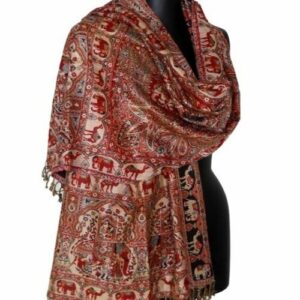
Authenticity Check:
● Softness: Genuine Pashmina is exceptionally soft and smooth.
● Label and ISI Marking: Look for these indicators.
● Transparency Test: Pure Pashmina is not transparent; light should not pass through it.
● Weave: Handcrafted Pashmina will have an uneven weave.
Best Places to Buy:
● Factory at Rainawari, Srinagar
● Munawarabad, Srinagar
● Lal Chowk, Srinagar
● Jamaal Factory Nishat, Srinagar
● CIE, Srinagar
Reshmee Kaleen: The Heart of the Home
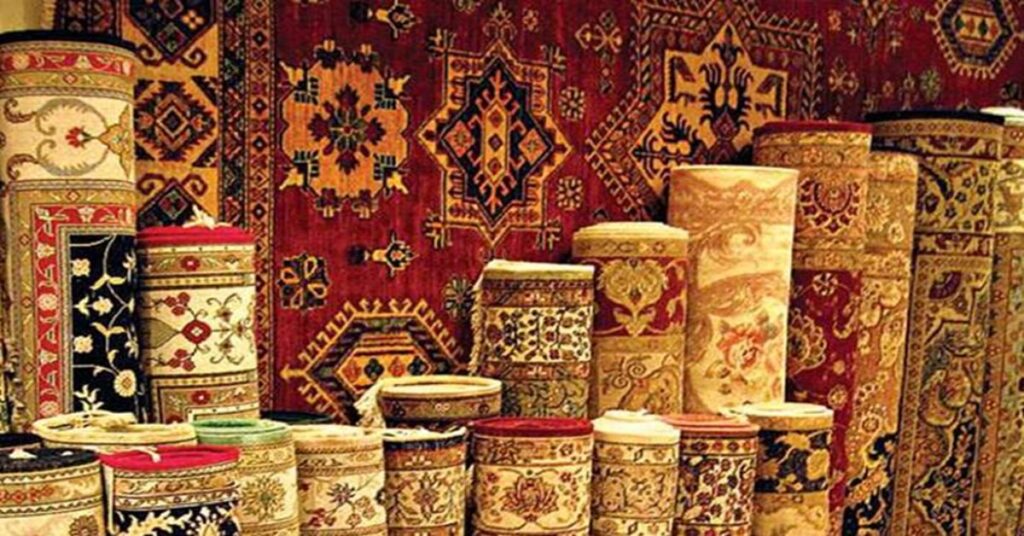
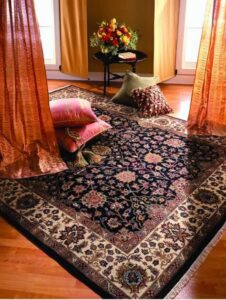 Reshmee kaleen, or silk carpets, are another gem of Kashmiri craftsmanship. Known for their detailed designs and durability, these carpets are produced using a specialized hand-knotting technique, each one a masterpiece meant to last generations. The designs often draw inspiration from nature and local folklore, ensuring each piece is unique.
The making of these carpets involves a well-guarded technique, passed down through generations. Artisans follow a handwritten color-coded instruction called taaleem, guiding them through the weaving process. Reshmee kaleen carpets serve as both floor coverings and exquisite wall hangings or furniture covers, adding a touch of elegance to any space. The meticulous craftsmanship and cultural narratives woven into each carpet transform them into more than just decorative items—they become cherished pieces of Kashmiri heritage.
Price Range: ₹20,000 to ₹1,00,000 and above
Authenticity Check:
● Burn Test: Burn a small part; genuine silk will leave ash without plastic-like remnants.
● Knot Density: Higher knot density indicates better quality.
● Taaleem: Look for carpets made with the traditional colour-coded instruction.
Best Places to Buy:
● Carpet Factory at Rainawari, Srinagar
● Munawarabad, Srinagar
● Lal Chowk, Srinagar
● Jamaal Factory Nishat, Srinagar
● CIE, Srinagar
Papier-Mâché: Turning Paper into Art
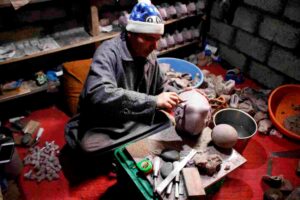 Papier-mâché is a traditional Kashmiri craft that transforms waste paper into stunning decorative objects. This craft, dating back to the 14th century, involves creating items such as vases, boxes, and figurines from paper pulp. Once moulded, these items are meticulously hand-painted with designs inspired by Kashmir’s natural beauty.
The process of making papier-mâché items is both labour-intensive and artistic. The paper is soaked, pulped, shaped, and then dried before being painted with vibrant colours and gold leaf. This craft exemplifies the ingenuity and creativity of Kashmiri artisans, who turn everyday materials into captivating works of art. Each piece tells a story of transformation and showcases the artisans’ ability to find beauty in the mundane.
Price Range: ₹500 to ₹5,000
Authenticity Check: 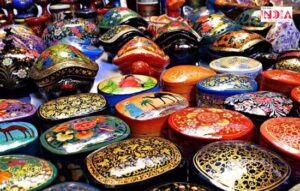
● Design and Detailing: Genuine items have intricate hand-painted designs.
● Weight: Real papier-mâché is light and feels like paper.
● Texture: Smooth surface without rough patches.
Best Places to Buy:
● Zadibal, Srinagar
● Dal Lake Innards, Srinagar
● Saida Kadal, Srinagar
Khatamband: Crafting Beauty Overhead
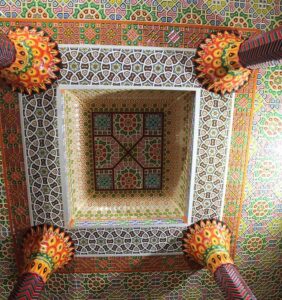 Khatamband is a distinctive Kashmiri craft that involves decorating ceilings with intricately carved wooden pieces arranged in geometric patterns. Lightweight woods like fir, deodar, and walnut are used for this purpose and are fitted together without nails or glue. Khatamband ceilings are common in mosques, shrines, and opulent homes, adding an element of sophistication and cultural heritage to these spaces.
The precise craftsmanship involved in Khatamband reflects not only the artisans’ skills but also their understanding of geometry and aesthetics. The ceilings, often hidden works of art, reveal their beauty only upon completion, adding an element of surprise and wonder to those who gaze upon them.
Price Range: Custom pricing based on design and size
Authenticity Check: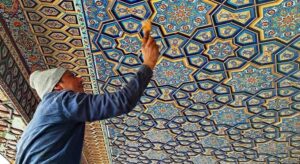
● Joinery: No nails or glue should be used; pieces should fit together seamlessly.
● Wood Quality: Made from lightweight woods like fir, deodar, and walnut.
Best Places to Buy:
● Custom orders from local artisans or workshops in Srinagar
Pinjirakari: Intricate Lattice Work
Pinjirakari involves creating delicate lattice work patterns from light deodar wood. This craft requires no glue, relying instead on precise joinery skills. These intricate designs embellish Sufi places of worship, house fronts, and houseboats, blending functionality with beauty.
The craftsmanship in Pinjirakari highlights the artisans’ ability to create strength and stability through delicate patterns, making these pieces both practical and decorative. The cultural significance of this craft is evident in its widespread use in places of worship and homes, symbolizing protection and grace.
Price Range: Custom pricing based on design and size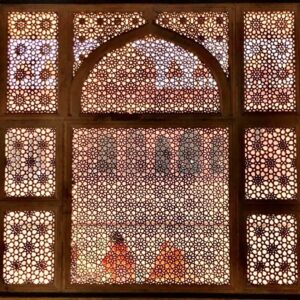
Authenticity Check:
● Joinery: Delicate patterns with precise joinery, no glue used.
● Design: Traditional lattice work should be evident.
Best Places to Buy:
● Custom orders from local artisans or workshops in Srinagar
Kashida Kari: Embroidered Elegance
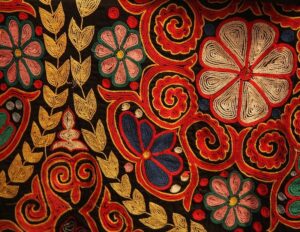 Kashida kari is a distinct style of embroidery with roots in Persian royalty. This craft involves colorful embroidery depicting motifs from nature and local folklore. Practiced predominantly by men, Kashida kari is a collaborative process where multiple artisans contribute to a single piece, ensuring each creation is unique.
The artistry in Kashida kari is a testament to the artisans’ skill in storytelling through threads. Each piece is a canvas of vibrant patterns and intricate designs, reflecting the cultural stories and natural beauty of Kashmir.
Price Range: ₹1,000 to ₹20,000
Authenticity Check:
● Embroidery: Look for vibrant and intricate designs.
● Fabric Quality: Ensure the base fabric is of high quality.
● Stitching: Hand-embroidered pieces will have slight imperfections.
Best Places to Buy:
● Lambert Lane, Srinagar
● Boulevard Bund, Srinagar
Namda Craft: Felted Rugs for Warmth
Namda craft involves creating felted rugs by enmeshing wool fibres with water, soap, and pressure. These rugs are then embroidered with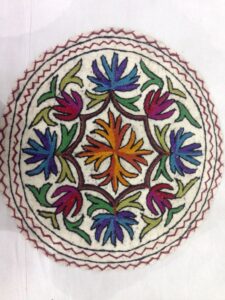 vibrant patterns. Namda rugs are a staple in Kashmiri households, providing warmth and comfort. They are valued for their practicality and charm, making them popular among both common people and the elite.
The artistry in Namda reflects the artisans’ ability to combine practicality with beauty, creating pieces that are both functional and decorative. These rugs, often seen as humble household items, are elevated to art through the intricate embroidery and vibrant patterns.
Price Range: ₹1,000 to ₹10,000
Authenticity Check:
● Texture: Soft and thick felted wool.
● Embroidery: Vibrant and well-defined patterns.
Best Places to Buy:
● Lal Chowk, Srinagar
● Munawarabad, Srinagar
Willow Wicker Craft: Versatile and Durable
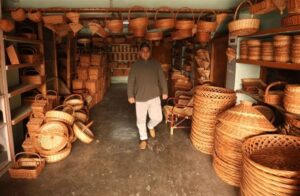 Willow wicker craft is a primary industry in Jammu and Kashmir. Artisans use straws, grass, and leaves to create durable containers and baskets. The cold climate has driven the people to adapt creatively, producing items like the wicker baskets (kitlu) that encase clay pots (kangri) used to fight the bitter cold.
The craftsmanship in willow wicker showcases the artisans’ ability to work with natural materials, creating pieces that are both sturdy and attractive. These items, deeply rooted in the daily lives of Kashmiris, reflect the region’s resourcefulness and creativity.
Price Range: ₹200 to ₹2,000
Authenticity Check:
● Weaving: Tight and even weaving.
● Material: Should be made from willow reeds, not synthetic materials.
Best Places to Buy:
● Floating market Dal Lake, Srinagar
● Raizya Kadal, Srinagar
● Hazratbal, Srinagar
Silverware: Ancient and Ornamental
Kashmiri silverware is an ancient craft that continues to captivate with its intricate patterns. Artisans engrave everyday household items,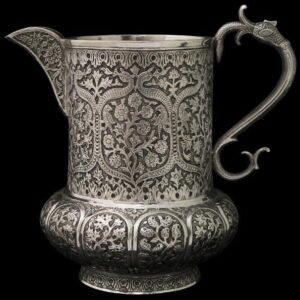 turning them into ornamental pieces. These items, such as picture frames and boxes, are popular gifts and souvenirs, reflecting the rich cultural heritage of the region.
The artistry in silverware highlights the artisans’ ability to infuse beauty into functional items, making everyday objects into pieces of art. These items, often passed down as heirlooms, carry the stories and traditions of Kashmiri families.
Price Range: ₹1,000 to ₹50,000
Authenticity Check:
● Designs: Look for intricate and detailed patterns.
● Weight: Genuine silverware will have a substantial weight.
Best Places to Buy:
● Lambert Lane, Srinagar
● Boulevard Bund, Srinagar
Tilla Work: Luxurious Embroidery
Tilla work involves embellishing clothing with gold or silver threads, creating intricate and luxurious patterns. This embroidery is seen on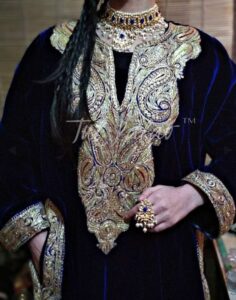 salwar kameez, pherans, shawls, and other clothing articles, especially during festive occasions. Tilla work, similar to zari zardozi from Bhopal, adds a touch of opulence to traditional attire.
The craftsmanship in Tilla work reflects the artisans’ ability to create luxurious patterns that enhance the beauty of the fabric. This embroidery, often associated with celebrations and special occasions, adds a layer of cultural significance to the garments.
Price Range: ₹2,000 to ₹20,000
Authenticity Check:
● Thread Quality: Gold or silver threads should not tarnish.
● Embroidery: Patterns should be intricate and luxurious.
Best Places to Buy:
● Lambert Lane, Srinagar
● Boulevard Bund, Srinagar
Kashmiri handicrafts are not merely artistic expressions; they are vital to the region’s cultural identity and economy. These crafts provide livelihoods for thousands of artisans and are a significant part of Kashmir’s economy. The recent G-20 meeting in Srinagar brought global attention to these crafts, giving artisans a platform to showcase their talents to an international audience. This exposure has revitalized the local craft industry, opening new markets and creating opportunities for economic growth.
The mystique of Kashmiri handicrafts lies in their exquisite beauty, meticulous craftsmanship, and deep cultural roots. Pashmina shawls, silk carpets, papier-mâché items, and other crafts are more than just products; they are embodiments of a rich heritage and artistic excellence. As the world continues to appreciate the value of handmade crafts, Kashmiri artisans remain the torchbearers of a timeless tradition that transforms raw materials into works of art, capturing the essence of Kashmir’s mystique and charm.
Written by Akshara
Frequently Asked Questions (FAQs)
Q1. What is special about Kashmiri handicrafts?
Kashmiri handicrafts are known for their fine detailing, luxurious materials, and centuries-old craftsmanship. Each item, whether it’s a Pashmina shawl, silk carpet, or papier-mâché piece, carries cultural heritage and artistry passed down through generations.
Q2. How can I identify an original Pashmina shawl?
Genuine Pashmina is extremely soft, handwoven, and has slight irregularities in its weave. It is made from the fine undercoat of the Changthangi goat and is never transparent. Always check for certification, labels, and ISI markings.
Q3. What are the most popular Kashmiri handicrafts?
Some of the most popular crafts include Pashmina shawls, Reshmee Kaleen (silk carpets), papier-mâché art, Kashida embroidery, Namda rugs, willow wicker baskets, silverware, Khatamband ceilings, Pinjirakari latticework, and Tilla embroidery.
Q4. Where can I buy authentic Kashmiri handicrafts?
The best places to buy are Srinagar’s Lal Chowk, Munawarabad, Zadibal, Rainawari factories, Lambert Lane, Boulevard Bund, and floating markets on Dal Lake. Always purchase from reputed shops or certified cooperatives.
Q5. What is the price range of Kashmiri handicrafts?
Prices vary by craft and quality. Pashmina shawls range from ₹5,000 to ₹50,000+, silk carpets from ₹20,000 to ₹1,00,000+, papier-mâché items from ₹500 to ₹5,000, while Namda rugs and wicker items are relatively more affordable.
Q6. Why are Kashmiri carpets so expensive?
Kashmiri carpets are hand-knotted with silk or wool, following a traditional taaleem (color-coded instruction system). The process can take months or even years, depending on knot density and size, making them valuable heirlooms.
Q7. Are Kashmiri handicrafts eco-friendly?
Yes, most Kashmiri crafts use natural materials like wool, silk, paper pulp, wood, and willow twigs. They are handcrafted with minimal machine intervention, making them sustainable and eco-friendly.