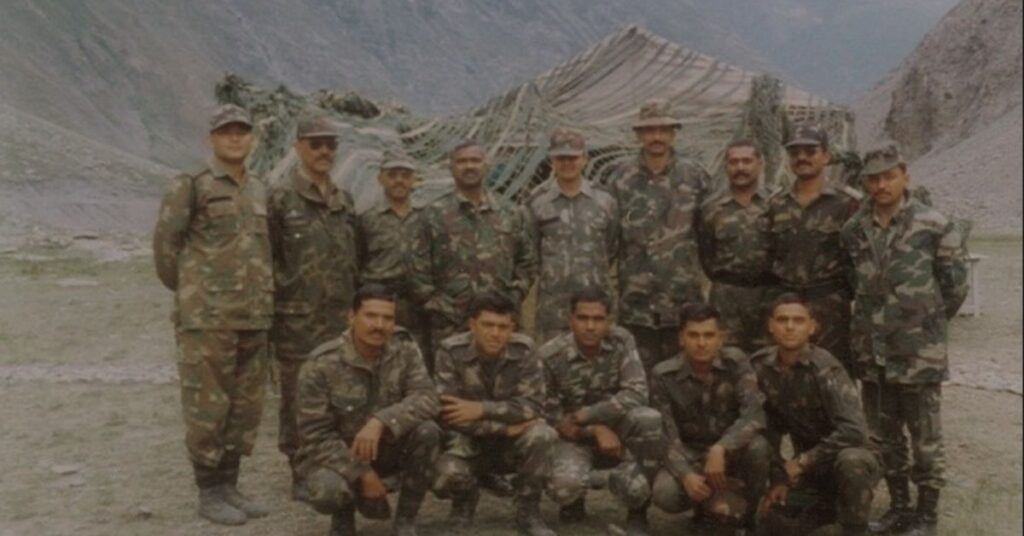

The Rashtriya Rifles (RR) stands as one of India’s most formidable counter-insurgency forces, forged in response to the unique challenges of internal security in Jammu & Kashmir. Often operating under the harshest terrains and amid volatile security situations, the RR has emerged as a symbol of resilience, tactical prowess, and an essential pillar of India’s strategy to maintain peace and order in the region. This specialized force is more than a military tool—it is a vital link between the armed forces and the civilian population of Kashmir, playing an evolving role in both security and social development.
Origins: Why and When the Rashtriya Rifles Was Formed
The Rashtriya Rifles was raised in 1990 as a dedicated counter-insurgency force under the aegis of the Indian Army. The 1980s and early 1990s marked a period of intense unrest in Jammu & Kashmir, triggered by the rise of Pakistan-sponsored militancy. The Indian government faced a situation that conventional military or paramilitary forces were ill-equipped to handle—a hybrid of guerilla warfare, terrorism, and civic unrest.
To address this, the Army created a new force designed specifically for asymmetric warfare. Unlike traditional military units, the RR would specialize in anti-terrorist operations, intelligence-based targeting, and civil-military outreach, while maintaining a high degree of flexibility and responsiveness. By 1994, the Rashtriya Rifles had expanded to 62 battalions, with a sanctioned strength of over 75,000 personnel.
What Sets Rashtriya Rifles Apart
 The Rashtriya Rifles is unique in both structure and function. Though it is technically a part of the Indian Army, it operates under the operational control of the Army’s Northern Command and is specially trained and equipped for counter-insurgency and counter-terrorist operations.
Key structural features include:
- Composite Units: Unlike regular regiments, RR battalions are composed of troops drawn from various arms and regiments of the Indian Army. This includes infantry, engineers, signals, and artillery, allowing for a blend of skill sets ideal for counterinsurgency roles.
- Temporary Tenure: Soldiers and officers are deputed to the RR for a fixed period, usually between 2 and 3 years, after which they return to their parent units. This ensures a constant inflow of fresh perspectives and seasoned experience.
- Sector-Based Deployment: RR units are deployed in sector-specific areas, where they often develop deep familiarity with the terrain and local population—an asset in intelligence gathering and operations.
Key Counter-Insurgency Operations
Over the past three decades, the RR has spearheaded hundreds of successful operations, neutralizing thousands of terrorists and dismantling numerous militant networks.
Some notable operations include:
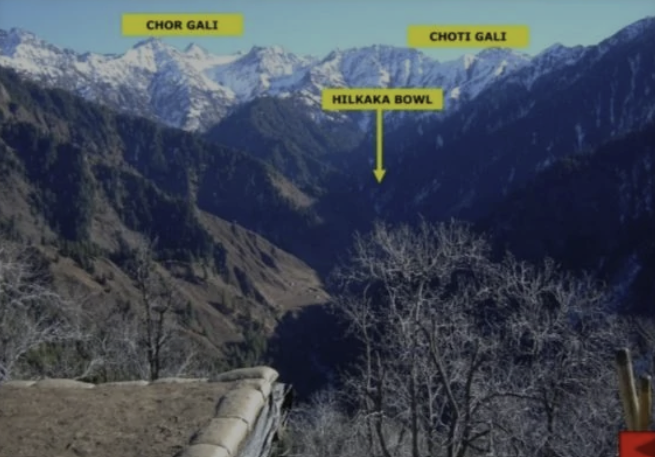
- Operation Sarp Vinash (2003): One of the largest counter-insurgency operations conducted in the Hill Kaka region of Poonch, it involved multiple RR units and led to the elimination of over 60 hardcore militants. The operation also unearthed one of the largest terrorist hideouts in the region.
- Operation All-Out (2017–2019): This multi-agency initiative, heavily led by the RR, aimed to eliminate top militant leadership in Kashmir. It succeeded in targeting high-profile terrorists from groups like Hizbul Mujahideen, Jaish-e-Mohammed, and Lashkar-e-Taiba.
- Post-2019 Strikes: Post the Pulwama attack, the RR intensified its operations alongside other forces. Their focused intelligence-based strikes and surgical raids significantly crippled militant operations across South Kashmir.
Civil Engagement and ‘Hearts and Minds’ Campaign
While the RR is a military force, it has also earned a reputation for its civilian outreach programs, which aim to win hearts and minds—a key component of successful counterinsurgency.
Civic initiatives include:
- Operation Sadbhavana (Goodwill): Under this flagship initiative, RR units have organized free medical camps, built schools,
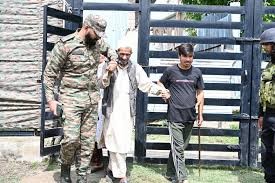 provided scholarships, and facilitated vocational training for local youth. These efforts have built bridges between the military and civilians, undermining separatist narratives.
 - Community Interaction: RR officers frequently engage with local elders, religious leaders, and youth groups to address grievances, gather ground intelligence, and foster trust.
- Rehabilitation Support: RR units have played a key role in rehabilitating surrendered militants, helping them reintegrate into society by offering counseling and livelihood support.
The Evolving Role Post-Article 370
The abrogation of Article 370 in August 2019, which removed Jammu & Kashmir’s special status, marked a turning point in India’s approach to the region. For the RR, this meant adapting to new challenges and opportunities.
Changes in operational focus include:
- Expanded Role: With Article 370 abrogated, RR units have taken on expanded responsibilities in policing, stabilization, and reconstruction efforts, particularly in newly declared Union Territories.
- Focus on Hybrid Militancy: Modern insurgency in Kashmir now often involves “hybrid” militants—locals who assist terrorists without formally joining militant groups. RR units have adapted by increasing surveillance, intelligence cooperation with local police, and cyber-monitoring capabilities.
- Youth De-Radicalization: Post-370, there has been a shift towards engaging youth through employment drives, education, and online outreach. RR officers are actively involved in mentorship programs to steer young minds away from extremist ideologies.
The Rashtriya Rifles remains a critical asset in India’s national security framework. It is not just a counter-insurgency force but a composite institution that blends military precision with civic compassion. From its inception during one of India’s most turbulent times to its current role in a changing Kashmir, the RR has adapted, evolved, and endured.
Its story is one of sacrifice, bravery, and relentless service. As India continues to navigate complex internal and external security challenges, the Rashtriya Rifles stands vigilant—an indomitable shield guarding the nation’s most sensitive frontier.