The Enriching Legacy of Sufism in Kashmir
In the picturesque valley of Kashmir, where the serene beauty of the Himalayas meets a rich cultural heritage, Sufism has woven an enduring legacy. Rooted in Islamic mysticism, Sufism, or tasawwuf, made its way to Kashmir in the 7th century, bringing with it a spiritual and philosophical depth that has profoundly shaped the region’s identity.
Sufism in Kashmir is more than a spiritual practice; it is a path to expanding consciousness and realizing the interconnectedness of the self and the universe. This mystical tradition unlocks the innate spiritual and intuitive abilities of its practitioners, fostering a personal relationship with the Divine. Sufis, through their devoutness and simplicity, have emphasized a journey towards God that passes through stages of repentance, abstinence, renunciation, poverty, patience, trust in God, and submission to His will.
A Tradition of Unity and Tolerance
Sufism in Kashmir is epitomized by the revered Sheikh Noor-ud-din Wali, known affectionately as Nund Rishi. His life and teachings symbolize the syncretic nature of Kashmiri Sufism. Nund Rishi’s shrines are sanctuaries of peace where both Muslims and Hindus come to seek blessings, reflecting the religious tolerance that Sufism has nurtured in the valley. His poetry, rich with spiritual wisdom, continues to inspire, reminding us of the shared humanity that binds us all.
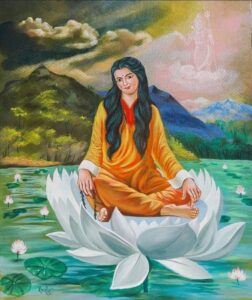 Lal Ded, or Lala Arifa, another iconic figure, bridged the spiritual traditions of Hinduism and Islam through her mystical poetry. Her verses, known as Lal-Vaakh, transcended religious boundaries, offering profound insights into the nature of the self and the universe. Lal Ded’s teachings encouraged a life of introspection and unity, resonating deeply with the spiritual ethos of Kashmir.
The unity fostered by Sufism in Kashmir has been instrumental in maintaining communal harmony. This tolerance is visible in everyday life, where festivals, rituals, and social practices reflect a blend of cultural and religious influences. The common heritage of Kashmiris, irrespective of their religious backgrounds, speaks to a shared identity forged through centuries of Sufi influence.
Festivals and Pilgrimages
The influence of Sufism is also evident in the vibrant festivals and pilgrimages that mark the cultural of Kashmir. These events draw devotees from diverse backgrounds, fostering a spirit of communal harmony and inclusiveness.
Urs Celebrations
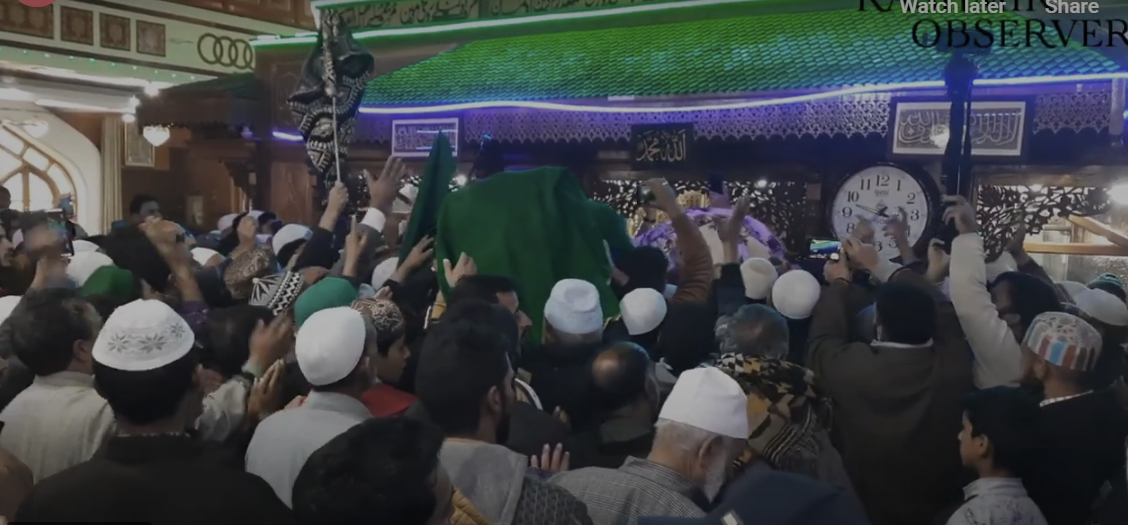
The Urs, or death anniversary of Sufi saints, are one of the most significant events in the Kashmiri cultural calendar. These celebrations are characterized by devotional music, poetry recitations, and communal meals. The Urs of Hazrat Sheikh Noor-ud-din Wali, held at Charar-e-Sharif, attracts thousands of devotees who gather to honour his memory and teachings. Similarly, the Urs of Mir Sayyed Ali Hamadani at Khanqah-e-Moula in Srinagar is a major event that brings together people from various religious backgrounds, reinforcing the message of unity and tolerance.
The Birthday of the River Vitasta
Another notable example is the celebration of the birthday of the river Vitasta (Jhelum). This festival, rooted in Hindu mythology, has taken on a secular character over time. Both Pandits and Muslims participate in the festivities, reflecting the inclusive nature of Kashmiri culture. The event is marked by prayers, rituals, and community feasts along the riverbanks, emphasizing the shared heritage of Kashmiris.
Pioneering Figures and Their Contributions
Hazrat Bulbul Shah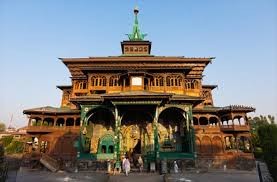
An early Sufi saint from the Suhrawardi order, Hazrat Bulbul Shah arrived in Kashmir during King Suhadev’s reign (1301-20). He played a crucial role in the conversion of the Buddhist prince Rinchana, who became Sultan Sadruddin after embracing Islam. Bulbul Shah’s influence extended to transforming Kashmir’s social structure by challenging the caste system and promoting Islamic teachings.
Mir Sayyed Ali Hamadani (Shah-i-Hamadan)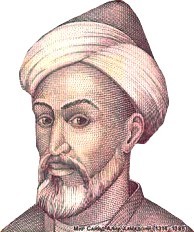
A 14th-century Iranian saint from the Kubrawi order, Shah-i-Hamadan’s teachings and social interactions had a long-lasting effect on Kashmir’s socio-economic and spiritual life. Arriving with 700 disciples, he introduced Central Asian arts and crafts, enhancing local industries like shawl-making and promoting trade and commerce. His teachings, emphasizing the oneness of God and ethical living, led to widespread conversions and the establishment of Islamic practices in Kashmir.
Sheikh Noor-ud-din Wali (Nund Rishi)
The founder of the indigenous Rishi order, Nund Rishi’s teachings integrated elements of Islamic mysticism and local Hindu-Buddhist traditions. His poetry and spiritual discourses emphasized simplicity, devotion, and communal harmony. He is revered as a spiritual leader who bridged religious divides and promoted a universal language of love and compassion.
Lal Ded (Lalla Arifa)
A 14th-century mystic poetess, Lal Ded’s verses (Lal-Vaakh) critiqued societal norms and spoke of spiritual awakening. Her teachings, influenced by both Islamic and Hindu traditions, highlighted the importance of inner realization and universal brotherhood. She remains a significant figure in Kashmiri spirituality and literature.
Baba Zain-ud-din Wali
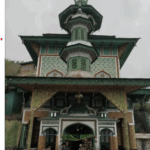 A disciple of Sheikh Hamza Makhdoom, Baba Zain-ud-din Wali played a key role in spreading Sufism in Kashmir. His shrine at Aishmuqam is a major pilgrimage site, attracting devotees from various religious backgrounds, symbolizing the inclusive nature of Sufi teachings.
Architectural and Cultural Heritage
The architectural heritage of Kashmir is replete with examples of Sufi influence, with khanqahs, mosques, and shrines built by Sufi saints serving not only as places of worship but also as centres of communal activity and learning. 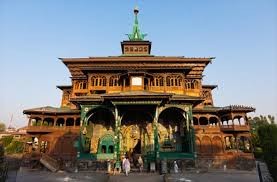 These structures, with their intricate designs and historical significance, are living monuments to the region’s rich spiritual and cultural past. A prominent example is the Khanqah-e-Moula in Srinagar, built in honour of Mir Sayyed Ali Hamadani, featuring exquisite wooden architecture and intricate carvings. This mosque is a hub for spiritual gatherings, educational activities, and community events, reflecting the synthesis of Persian and Kashmiri styles.
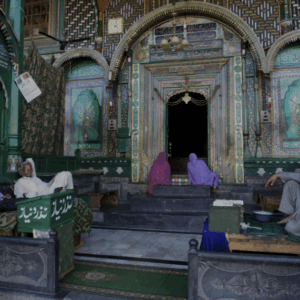 Similarly, the shrine of Hazrat Bulbul Shah, exemplifying the blend of Central Asian and local architectural styles, serves as a focal point for religious and cultural activities, attracting visitors from across the region. Another architectural marvel is the Makhdoom Sahib Shrine, located on the southern side of Hari Parbat Hill. Known for its blend of Persian and local elements, this shrine is not only a place of pilgrimage but is also a centre for spiritual education and social welfare activities, underscoring the holistic approach of Sufi saints to spiritual and social development.
Continuing Legacy and Modern Relevance
In contemporary times, the teachings of Sufi saints continue to offer solace and guidance amidst the complexities of modern life. The enduring message of peace, unity, and spiritual fulfilment remains profoundly relevant, providing a crucial bridge across religious and cultural divides. Sufism, with its emphasis on love, compassion, and humility, serves as a powerful reminder of the rich cultural heritage that defines Kashmir. The valley, often referred to as ‘Pir Vaer’ or ‘Rishi Vaer’ (the Valley of Saints), owes much of its cultural and spiritual richness to the legacy of Sufism.
This mystical tradition has fostered a unique identity that celebrates diversity, promotes social justice, and nurtures communal harmony. The spiritual teachings of Sufi saints encourage a life of introspection, ethical living, and devotion to the greater good, transcending the barriers of caste, creed, and religion. As Kashmir navigates the challenges of the present, including socio-political unrest and cultural shifts, the timeless wisdom of Sufi saints can show the way to a path of peace and resilience. By upholding the values of tolerance and compassion embedded in Sufi teachings, Kashmir can forge a more inclusive and harmonious society, ensuring that the spirit of unity and peace endures for generations to come.